
In the world of gig work, few options provide the same blend of flexibility and earning potential as Amazon Flex.
This guide is designed for those curious about delivering with Amazon, whether you’re seeking a side income, temporary work, or a new routine.



If you value autonomy, it’s likely you’ll find Amazon Flex appealing, but let’s look closer at what the program involves and why so many people are considering it today.
What Is Amazon Flex and Who Can Join?
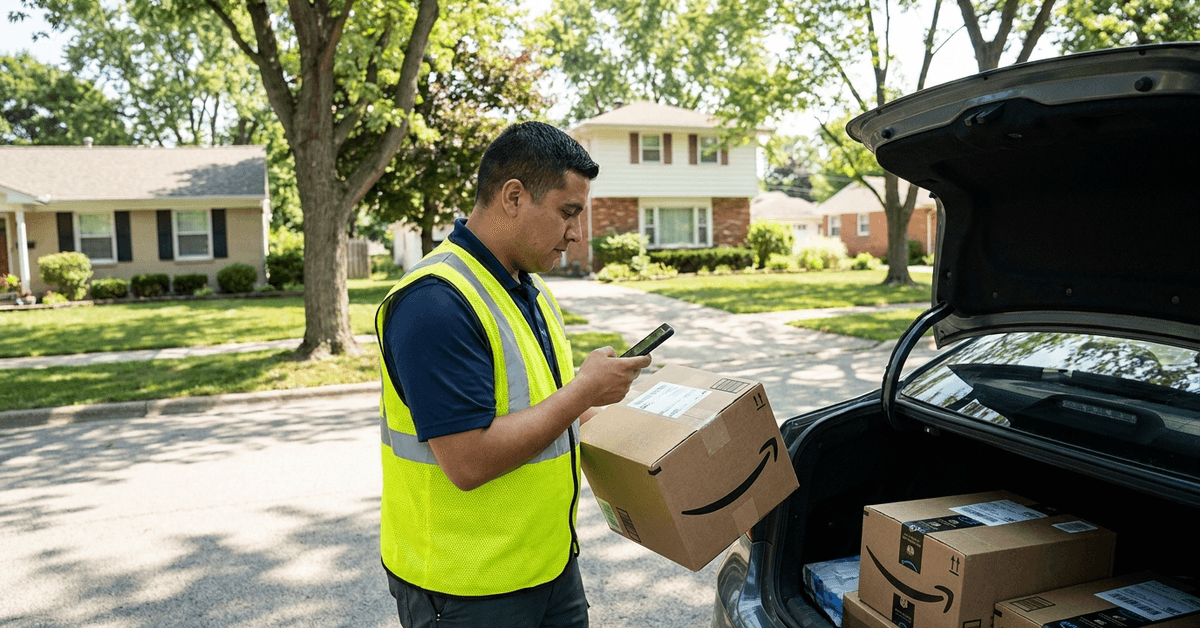
Amazon Flex is a self-employment opportunity that lets independent drivers deliver Amazon packages using their personal vehicles. It’s not a traditional job—think of it as contracting.
Drivers set their own hours, choose delivery ‘blocks,’ and get paid per route completed. This arrangement typically suits people who want a break from strict schedules or wish to earn extra on the side.
Not everyone qualifies right away. But if you’re over 21, have a valid driver’s license, and access to a vehicle and smartphone, the basics are covered.
Why People Are Turning to Amazon Flex for Income
Control Over Your Schedule
One significant advantage is the ability to decide when and how long you work. Unlike many delivery services, Amazon Flex doesn’t lock you into a fixed timetable.
It’s possible to work during gaps in a primary job, or during weekend downtime, for example. Of course, available delivery blocks depend on your area—but generally, the flexibility is real.
Transparent Payouts and Predictable Earnings
With Amazon Flex, drivers usually know their earnings upfront. Pay is set for each delivery block, typically ranging from $18 to $25 per hour before expenses.
While true earnings can vary after things like fuel or parking, the upfront payment model removes some uncertainty seen in other gig jobs. Notably, drivers get direct deposits twice weekly.
Expanding Delivery Regions
Initially available in metropolitan areas, Amazon Flex has broadened its reach. More suburban and semi-rural drivers are now able to participate, increasing its appeal.
That said, dense cities may offer greater frequency of delivery opportunities.
How the Amazon Flex Process Works
Signing Up and Getting Vetted
The sign-up process is handled almost entirely online, beginning at the official Amazon Flex platform.
Expect to submit basic personal details, licensing information, and vehicle type. A background check is part of onboarding, usually completed within a few days—sometimes more in busy periods.
App Setup and Orientation
Once approved, drivers download the Amazon Flex app. The app is essential for accepting delivery blocks, managing navigation, and confirming package handoffs.
Amazon includes a brief in-app orientation, explaining workflow, scanning methods, and customer communication basics. While it’s straightforward, it makes sense to set aside time for a careful review—especially if new to gig platforms.
Selecting Delivery Blocks
Delivery opportunities, called ‘blocks,’ are posted in the app. Each specifies an estimated route length, earnings, and time window. Drivers can claim blocks that fit their schedule.
Some days see more blocks released than others, and popular times (weekends, evenings) may fill fast. It’s worth checking the app periodically throughout the day.
What You Need to Start with Amazon Flex
- A reliable vehicle: Most passenger cars, SUVs, and even trucks are acceptable. Larger vehicles may be needed for grocery delivery blocks.
- Smartphone: The Flex app runs on both Android and iOS. A modern device is strongly recommended—feature phones or older models may have issues.
- Valid driver’s license and insurance: Your state or region’s rules apply. Proof is required during application.
- Background check clearance: Checked through a certified third-party. Past driving violations may impact eligibility.
- Comfort with navigation: Deliveries may cover unfamiliar neighborhoods or busy city roads. The app gives guidance, but a little patience—honestly, sometimes trial and error—helps.
Common Challenges and How to Address Them
Competition for Prime Delivery Blocks
Especially in high-demand cities, drivers may compete for peak hours. Refreshing the app and signing up for notifications can help, though there’s an element of patience and timing. It’s a bit like concert tickets—sometimes luck is part of it.
Managing Expenses and Earnings
Although earnings may sound generous, drivers are responsible for their expenses. Fuel, maintenance, tolls, and even parking tickets come out of pocket. Tracking these costs is important. Some drivers use expense tracking apps, while others stick to handwritten logs. If unsure what works, perhaps test a couple of methods for a few weeks.
Delivery Complexities
Finding a customer’s door can take longer than expected, particularly in apartment complexes or unfamiliar neighborhoods. It’s not uncommon to get a bit confused at first. Over time, most drivers develop shortcuts and tricks, but mistakes are a natural part of the process.
Tips for Smoother Deliveries and Higher Satisfaction
- Test your phone mount and charger before long blocks—it’s surprising how quickly batteries drain with screen and navigation on.
- Wear practical, weather-appropriate clothing. Package volume and delivery distances sometimes surprise new drivers.
- Keep a small flashlight and notepad. Sometimes mailboxes or addresses aren’t obvious after dark.
- Use the in-app scanner carefully. Skipped scans can slow the entire process.
- Consider using apps to track mileage for tax and reimbursement purposes. Some drivers prefer to estimate, but precise logs can make year-end simpler.
Monetizable Keywords and Emerging Topic Suggestions
- Amazon Flex driver requirements
- Amazon Flex app review
- Best vehicles for Amazon Flex
- Gig economy driver safety
- Tax tips for Amazon delivery drivers
- Comparing gig economy delivery apps
- Maximize Amazon Flex earnings
- Amazon Flex vs Uber Eats
- Flexible side jobs in your area
- Weekend delivery driver income
Legal and Tax Considerations When Driving for Amazon Flex
As an independent contractor, tax responsibilities fall on each Flex driver. That means tracking business mileage and expenses, setting aside a portion of earnings for quarterly taxes, and potentially consulting a tax professional.
This isn’t legal advice, but newer drivers sometimes overlook these aspects. If ever in doubt, a professional’s opinion can make all the difference and prevent surprises come tax season.
- Remember that insurance may not automatically cover commercial activities. Verifying your policy’s terms before starting is a wise precaution.
- In some regions, business licenses or special permits may be needed. Researching local requirements before your first delivery can help avoid complications.
- Documentation from Amazon (like earnings summaries) is downloadable from the Flex portal, simplifying record-keeping.