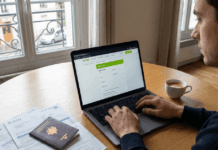
Navigating the process to secure the Shusan Ikuji Ichijikin, Japan’s childbirth grant, can be easier with the right guidance. This financial support is vital for expecting parents to ease hospital and post-birth expenses.
For many, understanding how it works in cities like Tokyo, Osaka, or Fukuoka is the first step to a less stressful experience.
What Is the Shusan Ikuji Ichijikin?
The Shusan Ikuji Ichijikin is a lump-sum birth allowance provided to insured persons under Japan’s public health insurance program. It assists with the costs of childbirth, which can be considerable depending on hospital and location.
Most people receive about 420,000 yen per childbirth. Occasionally, the amount might adjust due to national or municipal policy changes.

Who Qualifies for the Childbirth Grant?
Eligibility depends mainly on your enrollment in Japan’s health insurance—either National Health Insurance (Kokumin Kenko Hoken) or Employees’ Health Insurance (Shakai Hoken). Parents-to-be must be insured at the time of delivery.
- Japanese citizens, permanent residents, or expatriates with valid health insurance.
- The birth must occur in Japan or, in special cases, abroad if you are still insured in Japan.
- Both employed and unemployed parents can qualify if insured.
How Much Is the Shusan Ikuji Ichijikin?
The standard amount is 420,000 yen per birth. If you use certain non-accredited facilities, the grant may reduce slightly. Always confirm with your hospital in advance.
For multiple births, such as twins or triplets, the amount multiplies accordingly—each baby counts for a full grant.
Step-by-Step Application Process
The process varies a bit depending on your health insurer and the city where you reside, but the baseline steps are similar everywhere.
1. Confirm Hospital Accreditation
Many prefer accredited facilities like St. Luke’s in Tokyo or Kansai Medical University Hospital in Osaka. These allow direct payment, simplifying the process.
2. Prepare Required Documents
Getting your paperwork ready early can make the SUF application faster, clearer, and less likely to face avoidable delays.
- Your health insurance certificate (insurance card)
- Mother and Child Health Handbook (Boshi Techo)
- Bank account information (for reimbursement, if needed)
- Hospital-issued proof of delivery (shussan shomeisho)
3. Choose Direct or Reimbursement Payment
The Direct Payment System is the preferred method for most families. In this approach, the hospital claims the grant directly from the insurer, reducing your upfront payment.
Alternatively, if paying upfront is unavoidable, claim reimbursement with the necessary forms after birth. This is more common at smaller clinics.
4. Submit the Application
Application is usually done at the hospital’s administrative office. Some apps, such as Mynaportal, offer digital document management, though full e-application is not yet standard everywhere.
5. Receive Confirmation and Grant
If approved, you will either see reduced hospital bills or get the funds in your bank account within one to two months. Follow up if there are delays—the hospital or city office can help clarify hold-ups.
Key Differences Between Major Cities
Application rules can vary from one city to another. Comparing local requirements, processing methods, available support, and documentation rules can help you prepare more accurately.
Tokyo
Large hospitals almost always handle direct payment efficiently. City offices provide guides in English, which makes the process smoother for foreign residents.
Osaka
Small clinics might use reimbursement instead of direct claim. City websites often list forms in Japanese only, so support from bilingual staff might help.
Fukuoka
Mid-sized hospitals provide printed checklists. Hospital staff commonly assist with submission, lowering the risk of missing documents.
Useful Tools and Digital Resources
Mynaportal is a government platform for managing personal documents related to health and family benefits. It can make preparing your file simpler, especially if you move cities during pregnancy.
- Visit your city’s official website for downloadable forms (e.g., Tokyo City Office or ward-specific portals).
- Third-party guide sites, such as GaijinPot, sometimes offer step-by-step articles in English though always verify for updates.
- Local cityline support desks are valuable for in-person questions if you find the web forms confusing.
Tips for a Smooth Application
A smooth Shusan Ikuji Ichijikin application depends on early preparation, accurate paperwork, and clear communication with your hospital and health insurer.
Confirming the process before delivery can reduce unnecessary delays and unexpected out-of-pocket costs.
Confirm Important Deadlines
Check the claim deadline that applies to your health insurance plan, especially if you are using the reimbursement method.
Do not wait until the last minute, since missing documents or additional verification can slow the process.
Keep a note of:
- Required submission dates
- Hospital payment deadlines
- Insurance contact details
- Any follow-up appointments or forms
Organize Your Documents Early
Prepare the documents you may need before the expected delivery date. Keep secure copies of your health insurance information, Maternity and Child Health Handbook (Boshi Kenko Techo), hospital receipts, bank details, and application forms.
Digital scans can also make it easier to provide replacement copies if requested.
Ask About Direct Payment
Before delivery, confirm whether your hospital participates in the Direct Payment System. When available, this allows the childbirth lump-sum benefit to be paid directly to the medical facility, reducing the amount you may need to pay upfront.
Confirm Your Insurance Provider
Employment changes can affect which insurer handles the benefit. Verify your insurance enrollment if you change jobs, leave employment, or switch between Employees’ Health Insurance and National Health Insurance.
Request Language Assistance
If Japanese paperwork is difficult, ask the hospital or municipal office whether multilingual guidance, interpreters, or translated materials are available.
Language support varies by facility, so checking in advance is better than assuming English assistance will be provided.
Legal and Tax Considerations
The Shusan Ikuji Ichijikin is classified as a welfare benefit, not taxable income. No need to declare it on annual tax returns. This has been true for several years, but policies could change over time.
If you’re employed, some workplaces offer additional maternity benefits on top of the grant. It might be beneficial to check with your HR department or union for extra allowances.
Occasionally, there are overlaps with local government child payments—be sure to clarify your total eligible benefits.
Conclusion
Claiming Shusan Ikuji Ichijikin becomes easier with organized documents, a clear understanding of payment methods, and support from your insurer, hospital, or municipal office.
Staying informed and following local procedures can help reduce delays and make the process more manageable.