
The financial landscape in Chile is varied, with both commercial banks and credit unions serving consumers. Many people seek out loans to tackle unexpected expenses, consolidate debts, or realize personal projects.
But do all lenders offer the same advantages? This guide explores important differences between Coopeuch, Chile's largest credit union, and traditional commercial banks.



This article is ideal for those interested in borrowing to cover personal needs while maximizing value and maintaining financial health. Readers can expect a realistic look into consumer loans, their costs, and unique benefits offered by credit unions versus banks.
Understanding Consumer Loans in Chile: Essential Facts
Consumer loans remain a staple product for Chilean families. These are unsecured loans, generally offered at fixed or variable rates, intended to finance purchases or cover urgent expenses.
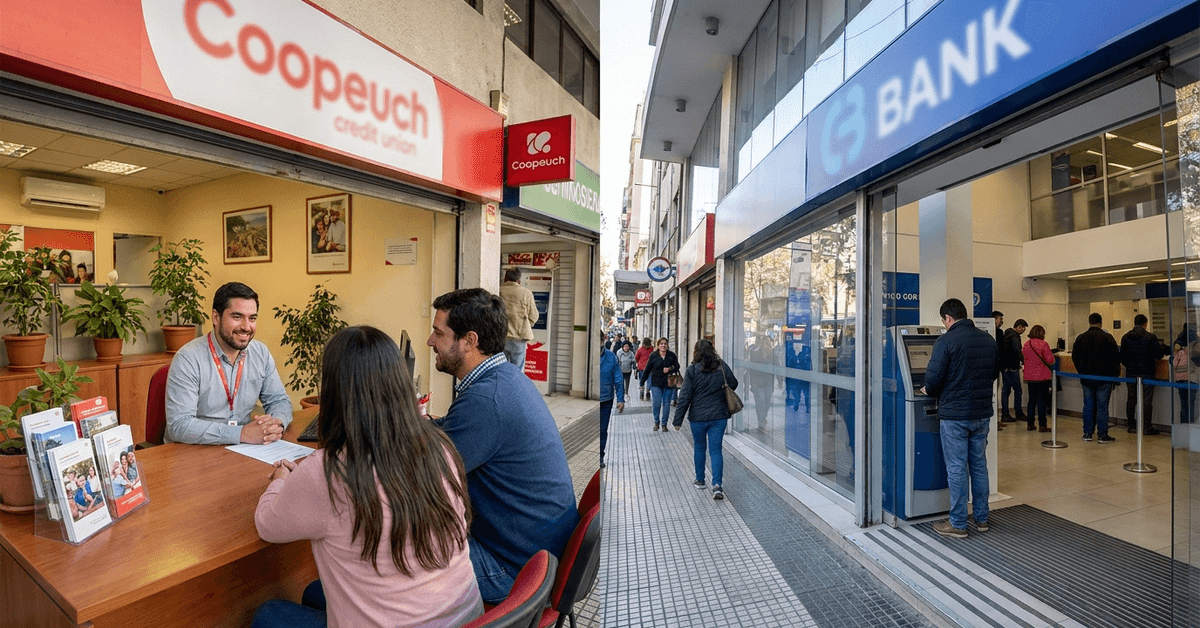
Both banks and credit unions, like Coopeuch, compete by proposing different rates, conditions, repayment schedules, and eligibility criteria. As the financial market evolves, consumers weigh more than just the rate—they also care about service, transparency, and accessibility.
Key Differences: Credit Unions vs. Commercial Banks
Chile’s credit unions, also known as cooperativas de ahorro y crédito, stand apart from for-profit banking institutions. Coopeuch is one of the most recognized, but others exist as well.
Ownership and Structure
Coopeuch operates as a cooperative. That means its members are both clients and owners. Unlike banks, which answer to shareholders, cooperatives seek to add value directly to their membership base.
This difference often alters financial priorities and day-to-day decisions. Members may vote on key policies and receive annual surplus distributions, a rare sight among typical banks.
Loan Approval and Accessibility
Credit unions are perceived to have more flexible credit policies compared to commercial institutions. Someone with less-than-ideal credit may find more understanding at a cooperative.
For many, the accessibility factor is significant. Local branches and tailored customer service help borrowers navigate paperwork and requirements, sometimes making the process feel a bit less daunting.
Interest Rates and Costs
One of the main draws of Coopeuch’s consumer loans is potentially lower overall cost. Since profits are not funneled to external owners, credit unions may offer more competitive rates and fees.
However, it’s wise to compare total costs between institutions. Some banks might counteroffer promotional rates, but long-term savings at cooperatives frequently stand out after accounting for insurance and administration expenses.
Profit Distribution and Customer Loyalty
Much of Coopeuch's charm, according to some members, lies in sharing annual surpluses among users. This model encourages loyalty and participation, creating a sense of community rarely found in commercial banks.
Banks, focused on quarterly returns, operate differently. While many offer loyalty rewards or points, profit distribution is strictly reserved for top-level investors rather than the banking public.
Transparency and Social Mission
Cooperatives like Coopeuch often emphasize values-driven missions. Many promote inclusive policies, responsible lending, and initiatives supporting financial education.
In contrast, traditional banks might prioritize growth and scale, appealing to a wide variety of clients but not always offering personalized service or strong community outreach.
Why Many Prefer Credit Union Loans
Plenty of families and individuals opt for Coopeuch or similar credit unions rather than banks due to certain recurring benefits. These don't always show up in rate sheets or advertisements.
Better Flexibility for Diverse Backgrounds
Life is rarely predictable. Individuals with nontraditional income or gaps in their credit history may find Coopeuch’s risk assessment a little more accommodating.
While banks tend to adhere to rigid lending algorithms, credit unions can evaluate situations with more nuance, which has made a real difference for many people.
Active Member Involvement
As mentioned, Coopeuch’s cooperative structure creates a uniquely engaged customer base. Some borrowers appreciate the participatory approach, even if they don’t always attend annual meetings.
This involvement sometimes influences decision-making, especially when it comes to policies impacting fees and loan terms.
Community-Based Support
Credit unions place value on community impact. By design, they recycle profits locally, fund social projects, and empower members—in a modest way, true.
Meanwhile, commercial banks have a broader reach, but individual customers sometimes feel like a statistic rather than a valued member of a shared mission.
Educational Resources and Financial Guidance
Coopeuch regularly invests in member education. Guidance spans budgeting, debt management, and understanding loan products.
Commercial banks also offer resources, but these tend to be broader in scope and sometimes tied to product sales goals. It’s a difference you might notice only after working with either institution.
Potential Drawbacks and Things to Consider
No financial institution is perfect. Even dedicated fans of Coopeuch occasionally mention some less appealing aspects, and all lenders face regulatory requirements.
Membership Requirement
Joining a cooperative isn’t automatic; prospective borrowers must become members, usually by purchasing a small share. While not a major hurdle, it’s an extra step not present with banks.
For some, the process is a matter of principle, while others see it as a positive signal of shared responsibility.
Service Coverage and National Reach
Although Coopeuch has improved its digital services, its branch network can still be more limited than large banks. Chile’s biggest cities are well covered, but remote locations might see less attention.
Those needing global services, premium financial products, or international transfers may be better served by banks with robust networks.
Loan Amounts and Offer Diversity
Coopeuch and many cooperatives design their loans around typical consumer needs. Large-scale financing, investment products, or business loans might not be as prevalent.
Banks, for their part, can provide a broad suite of specialized lending services and packages, sometimes with more automation and less manual processing.
Regulatory Oversight
In Chile, commercial banks are subject to strict regulation by the Comisión para el Mercado Financiero (CMF). Credit unions also follow regulations, but some operate under slightly different frameworks.
Regardless of institution, reading contracts and understanding obligations is always relevant for consumers, especially regarding payment schedules and penalties.
A Quick Comparison: Coopeuch and Major Banks
| Aspect | Coopeuch | Commercial Banks |
|---|---|---|
| Ownership | Member-owned | Shareholder-owned |
| Loan Rates | Often lower, profit recirculation | Can be higher, profit-driven |
| Loan Accessibility | Flexible, more personalized | Strict criteria, algorithmic |
| Service Network | Good in main cities | Very broad, country-wide |
| Surplus Distribution | Annual to members | No customer distribution |
| Typical Borrower | Member, varied backgrounds | Wide, but focus on low risk |
How to Compare Offers Wisely
Comparing loan offers is never just about the headline rate. Consider total cost of credit, including insurance, administrative fees, and prepayment penalties. Read through all contract details, and don’t hesitate to ask about alternative payment schedules.
Visiting SERNAC, Chile’s consumer protection authority, can be valuable for understanding your rights and getting help if there are disputes with any financial institution.
Visual Suggestions
- Table: Side-by-side comparison of Coopeuch and two major Chilean banks on interest rate ranges, membership requirements, and average processing times
- Infographic: Typical loan application process at a credit union vs. a commercial bank
- Pie chart: Distribution of loan types among Chilean households
- Map: Geographic reach of Coopeuch branches versus major commercial banks
Weighing Credit Union Consumer Loans Against Commercial Alternatives
Coopeuch and commercial banks both serve critical roles in Chile’s lending ecosystem. For those valuing flexibility, community involvement, and the potential for cooperative profit-sharing, Coopeuch and similar credit unions may offer real advantages.
However, commercial banks should not be dismissed, especially for clients requiring extensive national coverage or unique lending products. Ultimately, an informed decision, tailored to individual needs and preferences, seems the wisest path forward.