
Making payments beyond your country’s borders isn’t just for frequent travelers or large businesses anymore. As more people work, study, or shop internationally, having secure and easy international payment solutions is now almost essential.
That’s where tools like the Remessa Online Global Card come into play, addressing the growing need for flexible, cost-effective ways to manage money on a global scale.
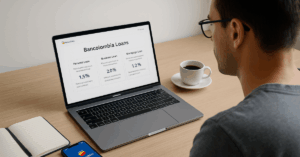


This article is designed for anyone exploring global financial tools, whether for personal, professional, or educational reasons.
If you’ve ever wondered about sending money, shopping, or paying services in another currency, understanding how these cards work—and how they might fit your needs—could make things much simpler.
Not to mention, there’s often anxiety attached to international fees, currency risks, and security worries.
Below, you’ll find a structured, practical overview of the Remessa Online Global Card, including its unique benefits, how it works, important considerations, and what makes it stand out for users seeking reliable international payment methods.
Why International Payments Matter in 2024?
It might sound obvious, but international payments play a bigger role in daily life now than just a few years ago. The rise of remote work, online education, and cross-border shopping has made it relevant for far more people.

Perhaps you’ve noticed colleagues, friends, or even students depending on these services to pay for overseas courses, freelance gigs, or digital goods.
But despite the convenience, international payments can feel more complicated—high fees, confusing exchange rates, and unclear restrictions. Solutions built for global needs are, I think, becoming essential, not just optional.
What is the Remessa Online Global Card?
The Remessa Online Global Card is, essentially, a multi-currency prepaid card designed for people who need to manage money internationally.
It’s issued by Remessa Online, a platform widely known for global money transfers, especially for users dealing in Brazilian real (BRL) and other mainstream currencies.
To be clear, it’s not a credit card, and it doesn’t work like a traditional local bank card. It’s topped up with funds in advance and can be used online or in-store, wherever international prepaid cards are accepted.
For many, that makes it a practical bridge—especially in situations where regular cards are blocked or incur extra charges abroad.
Key Benefits of the Remessa Online Global Card
Deciding whether this card meets your needs can depend on several factors. Here’s a look at where it usually stands out compared to alternatives.
Multiple Currencies on One Card
I think the biggest plus is being able to hold and spend in multiple currencies. That’s not just for travelers; digital nomads, expats, or students abroad often use these cards to avoid the high foreign transaction fees that traditional debit or credit cards might charge.
Straightforward Top-Ups
You can load funds in BRL or other supported currencies, then convert them as needed. The process is typically fast, with clear exchange rates and fewer hidden costs.
For most, lower fees mean more money in your pocket, especially for repeated transactions over time.
Enhanced Security Features
Since it’s prepaid, the card is (arguably) safer for managing your budget and avoiding debt. If the card details are compromised, potential losses cap at your loaded balance.
Plus, Remessa Online includes features like instant lock/unlock and spending limits, adding a protective layer many users seem to appreciate.
Acceptance and Usability
This card works online and worldwide, at merchants that accept major payment networks. It can be handy for booking flights, paying for subscriptions, or even shopping internationally.
Although, in some cases, small local businesses might not accept such cards—something worth checking before traveling.
Transparent Rates and Costs
Another benefit is that most users report clarity on fees and currency conversion. Unexpected charges aren’t common, but as with any financial product, reviewing the current fee schedule is wise. There’s rarely a situation where you want surprises with your finances.
Common Use Cases for Global Cards
If you’re unsure whether a global card is right for you, it might help to consider who typically benefits most.

Travelers and Expats
People living or working outside their home country, or even frequent travelers, often rely on these cards as a way to keep costs predictable. Instead of using local bank cards—which may block or add high fees to international transactions—a top-up global card can streamline things.
Online Shoppers
Ordering from foreign websites can trigger hefty conversion fees on regular credit cards. Prepaid global cards, like those from Remessa Online, generally provide more competitive rates and let you lock in the exchange when you top up, not when you pay.
Students Studying Abroad
For international students, managing allowances, tuition payments, or everyday expenses in local currency (while family members top up from home) can make life a lot simpler. Using a dedicated card for essentials might even help with budgeting.
Remote Workers and Freelancers
If you’re earning from clients in other countries, receiving payments or spending in various currencies can add up. A global card may not be the only solution, but it could complement platforms like PayPal or Wise, sometimes with better rates or lower fees.
Key Steps to Get Started with Remessa Online Global Card
While processes can shift over time, signing up for a Remessa Online Global Card usually involves a few straightforward steps. Here’s a general outline—though it’s worth checking Remessa Online’s help center for the latest details.
- Register a Remessa Online account (with verified personal information for security and compliance).
- Request the Global Card within their app or web platform.
- Top up your card balance—most commonly via BRL transfer, but options may differ by country.
- Use the card details for online payments, or add it to your mobile wallet for in-store use, if supported.
- Monitor transactions and manage settings (limits, locking, etc.) via the Remessa Online dashboard.
Important Considerations Before Signing Up
While there are many advantages, it’s fair to think critically before committing to any new financial tool. Here are some considerations that come up often.
Availability and Eligibility
At the time of writing, the Remessa Online Global Card is primarily targeted at Brazilian residents, though options may expand. Make sure it’s available in your country and meets your legal residency requirements.
Fee Structure
Always review the service’s current fee table. Fees might include top-ups, ATM withdrawals, dormant accounts, or international purchases.
Some users find the structure more favorable than traditional bank cards, but it’s worth double-checking—especially if you use your card often.
Limits and Restrictions
There may be limits on maximum balance, spending, or withdrawals. For some, that’s a minor detail; for heavy users or frequent travelers, these limits can matter more. Situations change, so it’s best not to assume you’ll never hit a cap.
Support and Customer Service
Consider the quality and speed of customer support, especially if you’ll need swift help while abroad. Check reviews or ask others about their experience, as timely solutions can be crucial when traveling or sending money overseas.
Comparing Global Cards with Other Payment Solutions
Deciding between a Global Card, traditional bank card, or digital wallet can depend on many factors—fees, convenience, and individual use cases. It’s not always a clear-cut choice. Often, a combo of options works best, depending on circumstance.
Bank Cards vs Global Cards
Bank-issued debit or credit cards tend to offer broader support and loyalty perks but may apply much higher fees and less favorable exchange rates. Not all international payments work smoothly through local banks either—sometimes cards are blocked or flagged as suspicious.
Digital Wallets (PayPal, Wise, etc.)
Platforms like Wise and PayPal allow multi-currency balances and international money transfers, but fees and acceptance will vary. Cards provide a physical or virtual number for card-based payments, which can fill a gap left by wallets not accepted everywhere.
Traditional Wire Transfers
For large, infrequent payments (like tuition or property purchases), wire transfers may be appropriate. Yet, for everyday spending, they’re slow and costly—prepaid cards generally offer more speed and simplicity, even if neither replaces the other outright.
Maintaining Safety and Privacy in International Transactions
One extra point worth noting is security. Using a dedicated card for international expenses—separate from your main account—can limit risk.
Even so, keeping your card details secure, monitoring transactions, and using strong authentication remains essential. Like most things, a bit of vigilance goes a long way.
Tips for Using the Remessa Online Global Card Wisely
- Confirm availability and eligibility before applying.
- Review fees for top-ups, withdrawals, and international use.
- Check exchange rates before loading funds.
- Use the card for travel, online shopping, or global payments.
- Keep a backup bank card or digital wallet.
- Set spending limits and enable security alerts.
- Monitor transactions through the app or dashboard.
- Contact support quickly if issues happen abroad.
Conclusion
The Remessa Online Global Card can be a practical tool for managing international payments and multi-currency spending. It offers prepaid control, transparent costs, and added security for travelers, students, freelancers, and online shoppers.
However, users should review fees, limits, eligibility, and exchange rates before relying on it fully. Used carefully, it can make global payments simpler, safer, and easier to manage.