
A family of four earning under $41,795 per year can qualify for SNAP benefits in 2026. That number comes from the federal 130% poverty guideline. But the income threshold is only half the story for anyone applying right now.
The part that catches most first-time applicants off guard is the ABAWD work requirement, which expanded in 2026 to cover adults up to age 64. Miss this rule, and three months of benefits is all you get in a three-year window.
This guide is for the single adult or small household applying for food stamps for the first time, especially anyone between 55 and 64 who assumed these work rules didn't apply to them yet.
What SNAP Covers and What It Doesn't
The Supplemental Nutrition Assistance Program loads monthly funds onto an EBT card that works like a debit card at grocery stores and approved retailers. The program covers bread, produce, meat, dairy, snacks, seeds, and plants that produce food.
What it won't cover trips up a lot of people at checkout. Hot prepared foods, alcohol, tobacco, vitamins, pet food, and household supplies like paper towels are all excluded.
So a rotisserie chicken from the deli counter? That's a no. A raw chicken from the meat section? That's fine.
The EBT Card Spending Trap
I would point anyone starting out on SNAP toward the USDA Food and Nutrition Administration site to check eligible items before their first grocery run.
The approved food list is broader than people expect, but the exclusions are specific enough to cause embarrassment at a register if you're not prepared.
2026 SNAP Income Limits and How They Differ State by State
The federal government sets baseline income limits, but your state can raise them. That gap between the federal floor and your state's ceiling is where most confusion lives.
Federal Baseline Numbers
The standard gross income limit is 130% of the Federal Poverty Level. The net income limit (after deductions) is 100% FPL. For fiscal year 2026, running October 2025 through September 2026, these are the monthly figures:
| Household Size | Gross Monthly Income (130% FPL) | Net Monthly Income (100% FPL) |
|---|---|---|
| 1 | $1,644 | $1,264 |
| 2 | $2,230 | $1,763 |
| 3 | $2,888 | $2,221 |
| 4 | $3,484 | $2,680 |
The net income figure matters more than the gross one for most applicants, because allowable deductions can pull your countable income down significantly.
Broad-Based Categorical Eligibility (BBCE)
The majority of states have adopted BBCE, which raises the gross income limit to 165%, 185%, or even 200% of FPL. A household that earns too much under the federal standard might still qualify in a BBCE state.
The exact percentage each state uses changes based on state budget decisions, so checking directly with your local SNAP office is the only way to know your current threshold.
Deductions that reduce net income include:
- A 20% earned income deduction applied automatically to wages
- A standard deduction of $209 for households of 1 to 3 people
- Dependent care costs, shelter expenses exceeding half of adjusted income, and medical costs over $35 per month for elderly or disabled members
That medical deduction alone can shift eligibility for a 62-year-old paying $200 monthly in prescription costs. The math changes fast once deductions stack.
How to Apply for SNAP Step by Step
The application process runs through your state, but the structure looks the same everywhere. Here is what to expect from start to finish.
Gather Documents First
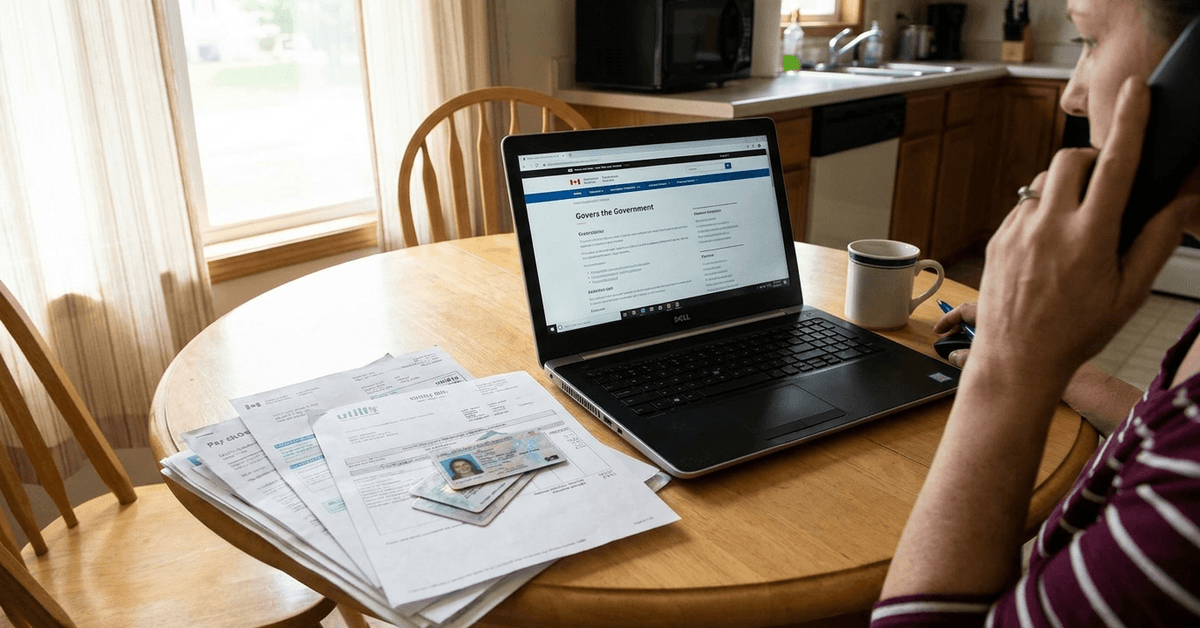
Having paperwork ready before starting prevents the most common delays. Pull together:
- Government-issued photo ID (driver's license or state ID)
- Social Security numbers for everyone in your household
- Pay stubs, benefit letters, or proof of any income source
- Rent receipts, mortgage statements, and utility bills
- Immigration documents if applicable
Not every document needs to be available on day one. States allow applicants to submit missing paperwork after filing. But incomplete applications sit longer.
Submit Through Your State Portal
Each state runs its own application system. The fastest route is usually the online portal.
The federal site at fns.usda.gov/snap/apply redirects to your state's system based on your location. Paper applications are still available at local offices, and some community centers and libraries offer help filling them out.
The Interview That Sounds Scarier Than It Is
Almost every applicant gets an interview, usually by phone. The interviewer reviews the answers on your application and asks for clarification on income, household composition, and expenses.
This is a verification step. Nobody is trying to catch you in a lie. Having your documents nearby during the call speeds everything up.
Decision Timeline
A determination letter arrives within 30 days of a complete application in most states. Emergency situations, like having less than $100 in liquid assets and earning under $150 monthly, can trigger expedited processing within 7 days.
The 2026 ABAWD Work Requirement Expansion Nobody Saw Coming
I think the biggest mistake a first-time SNAP applicant between ages 55 and 64 can make in 2026 is assuming they're exempt from work rules.
The One Big Beautiful Bill Act expanded the ABAWD age limit from 54 to 64, and several states began enforcing this as early as February 2026.
If you're classified as an Able-Bodied Adult Without Dependents, you need to work, volunteer, or participate in a training program for at least 80 hours per month. Fail to meet that requirement, and SNAP benefits cut off after three months in a three-year period.
Who Counts as an ABAWD Now
The expanded definition catches more people than the old one.
An ABAWD in 2026 is anyone aged 18 to 64 who has no disability and whose youngest child at home is 14 or older. That second criteria is new. A 50-year-old parent with a 15-year-old is now subject to these rules.
Exemptions Still Exist
People receiving SSDI, SSI, workers' compensation, veterans' disability benefits, or unemployment insurance are exempt.
Pregnant individuals, people in substance abuse treatment programs, and anyone caring for an incapacitated household member also qualify for exemption. Former foster youth under 24 are exempt too.
Some states still hold active ABAWD waivers in counties with high unemployment, though the number of waiver-eligible areas dropped sharply in 2026 after USDA directed states to terminate waivers approved under older criteria.
Why I Disagree That the Application Is the Hard Part
The common advice around SNAP focuses almost entirely on "how to fill out the application." I think that framing misses the bigger problem for adults aged 55 to 64 applying in 2026.
The application itself is straightforward. The 80-hour monthly work documentation requirement, on the other hand, is where people lose benefits after they've already been approved.
Tracking volunteer hours, getting employer verification forms, and meeting monthly reporting deadlines requires a sustained administrative effort that the application never hints at. Spending time understanding your work requirement status before applying will save more benefits than perfecting your application ever could.
Questions People Ask About SNAP Food Stamps
These are the questions that come up most often for first-time applicants dealing with 2026 rules.
- Q: Can a single adult without children qualify for SNAP?
Absolutely. Single adults make up a large portion of SNAP recipients. The income limits for a one-person household in 2026 are $1,644 gross and $1,264 net per month. No children required. - Q: Does having a car disqualify me from SNAP?
A primary vehicle is excluded from the asset test in most states. SNAP sets the countable asset limit at $2,750 for most households and $4,500 for households with elderly or disabled members, but your daily driver doesn't count against that. - Q: How often do I need to recertify SNAP benefits?
Recertification periods vary by state, but most households recertify every 6 to 12 months. Missing a recertification deadline is one of the top reasons people lose active benefits, so marking that date matters more than most applicants realize. - Q: Will applying for SNAP affect my immigration case?
SNAP is not currently classified as a public charge benefit for most immigration categories. That said, rules on public charge have shifted multiple times in recent years. Checking with an immigration attorney or legal aid organization before applying is a reasonable precaution for anyone with a pending status adjustment. - Q: Does gig work count toward the ABAWD work requirement?
Gig work through platforms like Uber or DoorDash counts, but the documentation burden falls entirely on you. A previous year's 1040 with Schedule C or 1099 forms can serve as proof, and keeping a monthly log of hours worked is strongly recommended.
Conclusion
The 2026 SNAP landscape changed more than the income numbers. Expanded work rules shifted who stays eligible after approval. Filing the application is the simple part of the process. Knowing what comes after approval is what keeps benefits active.