
Getting quick cash in Mexico can feel complicated when traditional lenders impose strict requirements. Long processes and limited credit histories may create additional barriers.
This guide explains alternative funding options, their benefits, and important risks. It also covers applications, legal safeguards, provider comparisons, and responsible borrowing practices.



Why Traditional Lending in Mexico Poses Challenges?
Mexican banks typically assess income, existing debts, documentation, and credit history before granting a loan.
These standard lending requirements can be difficult for first-time borrowers, informal workers, or people whose income does not fit conventional documentation.
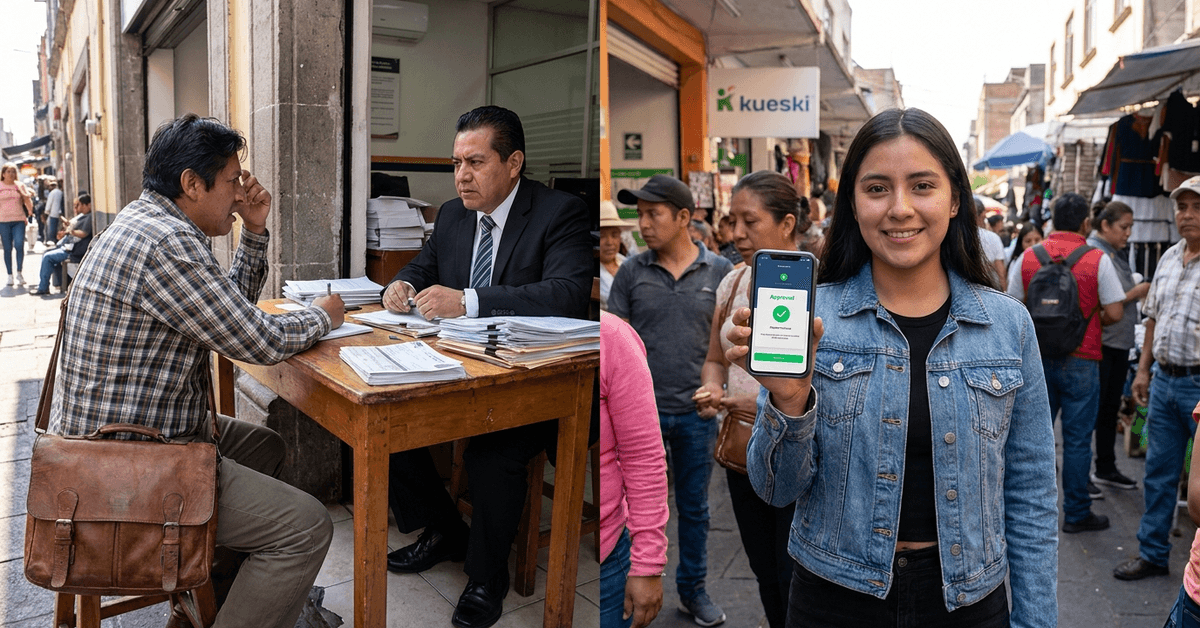
Strict Credit Checks and Paperwork
Traditional lenders may request identification, proof of income, address information, and other documents before making a decision.
Missing or inconsistent information can delay the credit assessment process or prevent an application from progressing. Requirements differ by institution and product, so applicants should confirm the exact list before applying.
Processing and Approval Delays
Traditional loan applications may take longer when documents require manual verification or additional review.
This can be inconvenient when someone needs urgent financial support for repairs, bills, or another unexpected cost. Approval time depends on the institution, amount, applicant profile, and completeness of the information submitted.
Exclusion for Informal Workers
Informal and self-employed workers may find it harder to provide conventional payslips or payroll records. Some lenders accept other forms of income verification, but requirements vary significantly.

Applicants without traditional documentation may therefore consider alternative providers that use different assessment methods.
Alternatives for Fast Cash in Mexico
Digital transformation has expanded the number of ways people can seek fast cash outside banks. Each alternative has different costs, eligibility standards, repayment structures, and risks that should be reviewed before borrowing.
Online Lenders and FinTech Platforms
Online lenders allow applicants to submit information and documents through websites or mobile platforms. Some use automated systems to provide faster credit decisions, although approval and transfer times are never guaranteed.
Borrowers should compare the CAT, repayment schedule, and total cost before accepting an offer.
P2P (Peer-to-Peer) Lending
Peer-to-peer platforms connect applicants with funding through online lending marketplaces rather than conventional bank branches.
These platforms may provide different eligibility models, but they still apply assessment and repayment requirements. Terms, interest rates, and approval conditions vary, so borrowers should compare the full contract carefully.
Pawn Shops and Collateral-Based Loans
Pawn shops provide cash in exchange for temporarily leaving an item of value as collateral. This can offer quick access to funds, but failure to meet the agreement may result in losing the pledged item.
Borrowers should verify fees, valuation methods, repayment dates, and all contractual conditions before proceeding.
Salary Advance Services
Some employers or financial platforms allow eligible workers to access part of earned wages before payday. A salary advance option may help cover a short-term shortage without taking a conventional personal loan.
Fees, limits, and availability depend on the employer or service, so the terms should be checked first.
What to Check Before Choosing an Alternative?
The fastest option is not necessarily the most affordable or appropriate. Comparing cost, repayment, legitimacy, and customer support can help reduce unnecessary risk.
- Interest costs: Review the CAT and total amount payable rather than only the advertised rate. CONDUSEF describes CAT as an indicator that helps consumers compare credit costs.
- Repayment terms: Confirm due dates and whether required payments fit your monthly budget.
- Registration: Check the institution through official financial registers when applicable.
- Hidden fees: Read the agreement carefully for commissions, late charges, or other costs.
- Customer support: Confirm that official contact channels are clearly available.
- Advance payments: CONDUSEF warns consumers not to pay money upfront simply to obtain a loan or credit.
Legal and Safe Borrowing Practices
Avoiding unverified lenders is particularly important when seeking credit online. Mexico’s CNBV publishes authorized-entity information, while CONDUSEF’s SIPRES provides a public register for verifying financial service providers and their identifying details.
Understanding Credit Impacts
Loans can affect future access to credit when the provider reports payment information to a credit bureau. Late or missed payments may create negative credit consequences, while reporting practices differ among providers and products.
Borrowers should confirm whether payment history is reported instead of assuming that taking a loan will automatically improve a credit profile.
Data Privacy and Digital Security
Online applications may require identification, banking details, and other sensitive information. Use only the provider’s official secure channels and review its privacy notice before uploading documents.
CONDUSEF advises borrowers not to provide personal or card information when they are unsure whether an online credit company is legitimate.
Tips for Responsible Fast Cash Management
Fast cash remains a financial obligation even when the application is simple. A few responsible borrowing habits can make repayment easier to manage.
- Borrow only the amount needed for a defined purpose.
- Read the complete contract before accepting the credit.
- Compare several legitimate providers using the same amount and term.
- Calculate whether the next month’s budget can cover repayment.
- Keep contracts, receipts, and payment confirmations.
- Use only official apps, websites, and verified contact channels.
- Avoid taking new debt solely to cover existing debt whenever possible.
Most Popular FinTech and Fast Lending Platforms in Mexico
Several digital lenders and financial platforms currently serve different financing needs in Mexico. Services such as Kueski, Credilikeme, and Konfío should be compared according to current requirements and costs rather than advertising speed alone.
| Platform | Type of Financing | Common Considerations |
|---|---|---|
| Kueski | Online personal loans | Current listed requirements include adulthood, Mexican nationality, a personal bank account, and accepted valid identification. |
| Credilikeme | Online personal loans | Its official site provides digital personal lending and publishes current requirements and CAT information. |
| Konfío | Business financing | Its current products focus primarily on business credit and other financial services for companies. |
Kueski’s official personal-loan page currently lists adulthood, Mexican nationality, a personal bank account, and valid voter identification or a Mexican passport among its requirements.
Applicants should still review the current product conditions and personalized offer before accepting any credit.
Final Thoughts: Safe Steps Toward Fast Cash
Finding fast cash in Mexico outside traditional banks is possible through digital lenders, lending platforms, pawn services, and salary advances. Each option carries different costs, requirements, and repayment risks.
Checking official registers, reviewing the CAT, avoiding advance-payment scams, and using verified provider channels can support a safer decision. Careful comparison remains more important than choosing the fastest available source of money.