
Curiosity about phone number tracking is understandable when devices disappear or unfamiliar callers appear. Families and employers may also need responsible location-sharing arrangements.
However, a telephone number alone does not provide an accurate live location. This guide explains legitimate methods, privacy concerns, common scams, and safer options for finding devices without exposing yourself or your family to unnecessary risks.
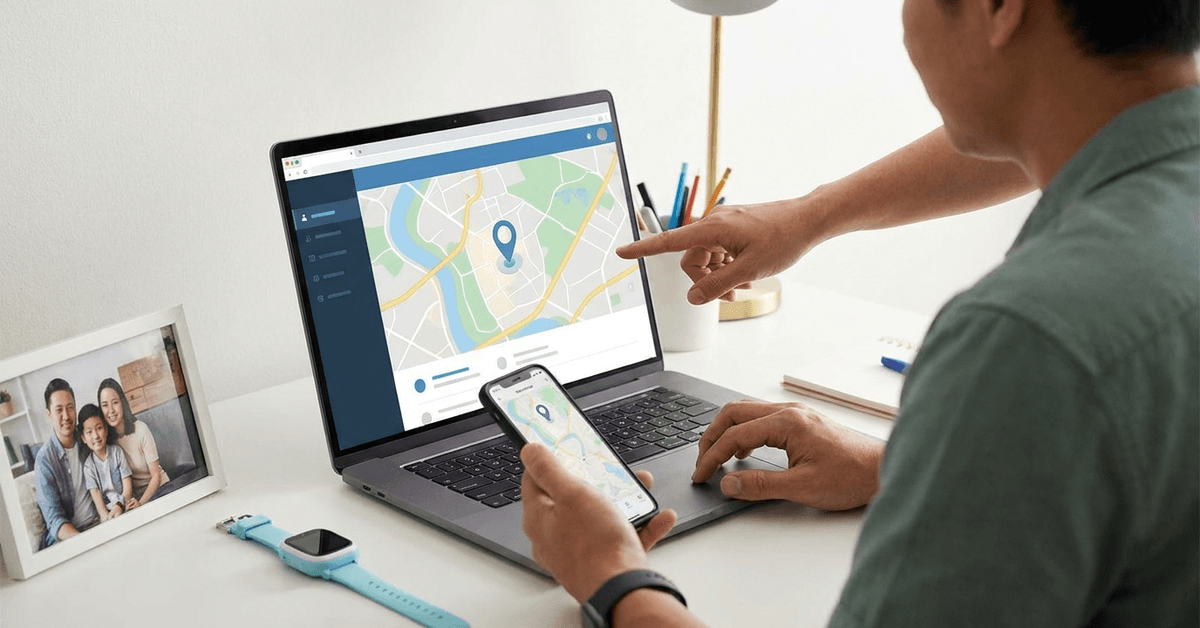
Common Reasons People Consider Online Phone Number Tracking
People seek location information when recovering lost phones, coordinating family safety, or managing authorized company devices, especially after travel, missed appointments, or unexpected schedule changes.
Each situation requires an appropriate method, clear expectations, and respect for the privacy of everyone involved.
Main Methods Used for Tracking Phone Numbers Online
Different tools offer different information, ranging from a number's general region to an authorized device's approximate position.
No trustworthy public website can pinpoint anyone simply because a visitor enters their telephone number, and an area code does not reveal a phone’s present whereabouts.
1. GPS and Built-in Device Services
Apple Find My and Google's Find Hub provide device location features for registered accounts. Owners can locate supported phones, play sounds, and use protective options when the necessary settings were enabled.
Availability and accuracy depend on device connectivity, location permissions, battery power, network conditions, and whether a recent location can be retrieved.
2. Third-Party Tracking Apps
Life360 and Google Family Link offer family management or location-sharing features, subject to their different purposes and controls. A phone tracker app should operate through transparent permissions rather than invisible surveillance.
Users should review who can see their location, when sharing occurs, how it can be stopped, and whether historical movements remain visible afterward, preferably before enabling sharing.
3. Carrier and Network Solutions
Carriers may offer family services or assistance protecting a lost device. They generally do not reveal another person's live network location to someone merely providing a phone number.
Authorized access, account verification, and applicable legal processes govern sensitive network information, so ordinary customers should not expect a carrier to identify strangers.
4. Online Lookup Services and Directories
Reverse lookup websites may provide caller context, such as a general numbering region or publicly reported spam complaints. Someone searching for a rastreador de número de telefone should know that lookup information is not GPS tracking.

Names and locations may also be inaccurate because numbers are reassigned or caller identifiers are spoofed, sometimes making unrelated people appear responsible for calls.
Key Legal and Ethical Considerations
Location information is personal data, and access without proper authorization may violate privacy or surveillance laws. Consent should be informed and ongoing, with clear explanations of what is shared, who receives updates, how long history is retained, and how tracking can end.
Even when a device belongs to an employer, workplace monitoring should follow applicable law and disclosed policies.
Avoid using hidden applications, guessing passwords, or accessing accounts belonging to other people without authorization, even when a personal disagreement makes such access tempting.
Can Reverse Lookup Tools Help?
A reverse lookup can help identify callers or evaluate suspicious numbers through public listings and community reports, without revealing precise coordinates.
It cannot reliably locate a device in real time, and its results should be checked against independent information before contacting someone or making accusations.
Risks of Free Tracking Tools Online
Sites promising instant GPS results from any number deserve skepticism. Some charge subscription fees before revealing irrelevant results, while others collect identities or encourage unsafe downloads disguised as necessary verification software.
Never enter passwords, one-time codes, or payment information merely to test an unverified tracking claim.
Safer Alternatives for Finding a Lost Phone
Use the built-in tools associated with the missing device's account rather than unfamiliar tracing websites, which may expose the account holder to scams.
If theft is suspected, secure the account, contact the carrier, and report the incident to local authorities when appropriate rather than confronting someone yourself.
Enabling Built-In Location Features
For Apple devices, activate Find My before loss and check location settings within the account. Android owners can use Google Find Hub to locate, secure, or erase supported registered devices.
Offline locations may be approximate or unavailable, so a displayed map point should not be treated as proof of someone's presence at a particular address.
Contacting Your Carrier
Ask your mobile provider about SIM suspension, account protection, and device blocking after a phone disappears, especially if payment apps remain signed in.
Account ownership may need to be verified before protective changes can be made. Keep the device's identifying information available and avoid confronting anyone based solely on an uncertain location result.
Protecting Personal Data and Privacy Online
Before sharing a number or location, consider data collection, retention practices, and the recipient's identity, including commercial partners receiving information.
Limit app permissions, use strong account authentication, and delete old sharing arrangements that no longer serve a legitimate purpose, particularly after employment or family changes.
How to Recognize Sketchy Tracking Offers
Promotions claiming to track phone number online without consent are often misleading advertisements rather than genuine technical capabilities.
Watch for unexplained upfront fees, fake countdowns, unusual permission requests, and unverified publisher details. A secure-looking website alone does not prove an operator is trustworthy or licensed.
Educating Family, Friends, and Colleagues
Discuss privacy expectations before activating any location-sharing service for relatives or coworkers. Explain that safe tools require authorized accounts and that children may need age-appropriate guidance and supervision, with alternatives such as scheduled check-ins.
Potential Misuse: What Everyone Should Know
Tracking technology can facilitate unwanted surveillance when permissions or devices are misused. Anyone searching for ways to rastrear celular should understand that locating their own device differs from monitoring another person secretly.
If you suspect stalking, prioritize personal safety, document concerning incidents, and seek assistance from trusted local support services.
Summary Table: Methods for Phone Number Tracking Online
The following comparison summarizes typical capabilities rather than guaranteed accuracy. Consent, account ownership, and local laws remain essential considerations in every case, regardless of how convincingly a service advertises its accuracy.
| Method | Consent Needed? | Precision | Legal/Ethical? |
|---|---|---|---|
| GPS/Device Services | Owner authorization | Often high; varies | Yes, with authorized access |
| Carrier Services | Account or lawful authority | Network-dependent | Yes, when lawfully provided |
| Third-Party Apps | Informed participation | Varies with settings | Yes, when consent-based |
| Online Lookup | Public information only | No live location | Generally, for lawful lookups |
Conclusion
A telephone number is not a reliable locator for someone's real-time position. Built-in device services and clearly authorized sharing offer safer ways to locate phones.
Avoid sites advertising unrestricted tracking, and protect your account details before using a localizador de telefone. Respecting consent and checking technical limitations make phone searches more accurate and responsible.