Access to a reliable phone helps families manage employment, appointments, emergencies, and essential communication. People receiving SNAP benefits may qualify for discounted service through a federal assistance program.
This guide explains eligibility, applications, provider options, and possible phone costs. It also covers service limits, common problems, privacy, and ongoing requirements.
Understanding Free Phone Programs Linked to SNAP Benefits
SNAP participation can help households qualify for Lifeline assistance, which reduces certain communication bills. However, federal support covers service discounts, not a guaranteed free smartphone for every approved applicant.
The Core Idea Behind Lifeline
The federal Lifeline program makes qualifying phone or internet service more affordable. Standard benefits can provide up to $9.25 monthly for qualifying internet or bundled service, or $5.25 for voice-only service. Some residents of eligible Tribal lands receive larger discounts under separate rules.
Why SNAP Participation Makes a Difference
Receiving SNAP provides a recognized eligibility pathway without requiring applicants to qualify through income alone or submit unnecessary financial records.
A provider may advertise a “telefono gratis SNAP” offer, but device availability depends on its plan and service area. The benefit supports essential connections for work, family emergencies, and appointments without promising a particular phone model.
Who Qualifies for a Free Phone Program Through SNAP?
Eligibility generally requires participation in an approved assistance program or household income within federal limits.
SNAP recipients must still meet identity verification and household rules before enrollment, even when their public assistance record is already available electronically.
Key Eligibility Considerations
Review the program requirements before starting an application through a provider or the federal portal. Having correct documents and household information can prevent avoidable verification delays and reduce document requests.

- SNAP participation: You or a qualifying household member must receive SNAP benefits, unless you qualify through another approved program or income standard.
- Household limits: Generally, only one Lifeline benefit is permitted per eligible household, even when several household members own separate phones.
- Proof of eligibility: An official benefit statement or other accepted document may be requested when program databases cannot verify enrollment automatically.
Other Qualifying Programs
Medicaid, Supplemental Security Income, and certain housing assistance programs may also establish eligibility. Veterans Pension and Survivors Benefit participation can qualify under the federal rules, while specific Tribal programs provide additional qualifying pathways.
Some households instead qualify through income, including circumstances where nobody currently receives SNAP.
How the Application Process Works
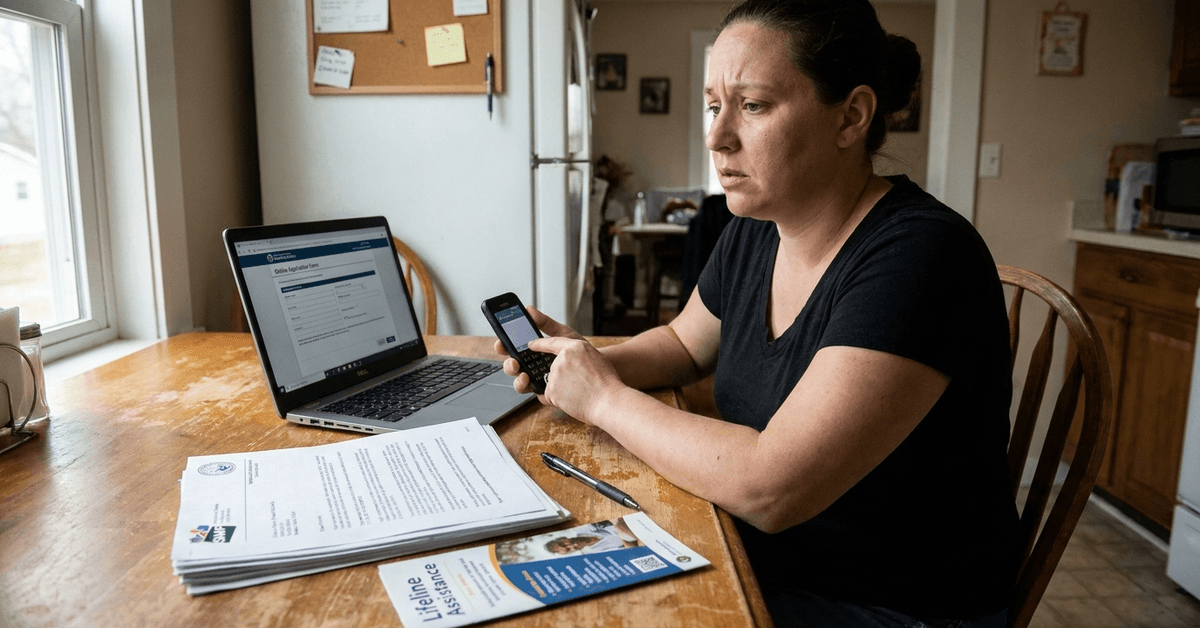
The SNAP free phone application usually begins with eligibility confirmation through the national Lifeline system or an approved state process. After qualification, consumers choose a participating provider and review its actual service offer.
Step 1: Confirm Participation in SNAP
Check that your SNAP enrollment is active before applying. Gather an official program letter or other accepted verification showing your name and eligibility. If electronic records confirm your status, uploading documentation might not be necessary.
Step 2: Choose an Approved Lifeline Provider
Look for providers serving your ZIP code through the official Companies Near Me directory. Companies such as Assurance Wireless or SafeLink Wireless may provide qualifying plans in selected areas, but availability changes.
Compare coverage, monthly costs, included data, device charges, replacement policies, and whether a phone is provided.
Step 3: Complete the Provider Application
Follow your state's Lifeline instructions, which may involve the National Verifier before provider enrollment. People searching “apply for free phone Spanish” can request Spanish-language guidance and application forms. Enter your legal name, address, birth date, and required identification details accurately.
Step 4: Wait for Approval and Delivery
Approval depends on successful verification and acceptance by a participating company. Some plans require activating an existing compatible phone rather than receiving a new device.
If a phone is included, the provider should explain shipping arrangements, activation steps, any delivery fees, and applicable charges before acceptance.
What to Expect: Phone Types and Service Plans
A qualifying service plan may include calling, texting, and mobile data, depending on the company. A free device is not guaranteed, and smartphones, coverage, or features can differ substantially between available offers.
Service Length, Usage Limits, and Upgrades
Read the plan details carefully before agreeing to enrollment. Monthly allowances, device options, and continued eligibility depend on provider terms and federal requirements.
- Included service: Some providers offer unlimited calls or texts and a specified data allowance, while others structure benefits differently or charge additional fees.
- Annual checks: Lifeline eligibility is reviewed each year; you must respond to recertification requests when automatic verification cannot confirm continued qualification, or risk losing the discount.
- Devices and upgrades: Free or discounted handsets are provider offers, not universal federal entitlements, and replacements or upgrades may cost extra.
Tips for a Smoother Application Journey
Organize your identification documents, benefit records, and contact details before completing online forms. Checking provider coverage and reading terms can help avoid delays, unexpected charges, or unsuitable service.
Common Application Issues
Small inconsistencies can cause verification problems even when an applicant qualifies. Check every personal detail and respond promptly to legitimate requests for additional information using secure channels.
- Mismatched records: Names, birth dates, or addresses may not match official databases, requiring corrections or supporting documentation before approval.
- Unacceptable documents: Expired letters, unclear scans, or records without required identifying details may prevent the system from confirming eligibility.
- Unavailable coverage: Not every provider serves every ZIP code, so confirm coverage and enrollment availability before sharing personal information.
Making the Most of the Free Service
Use your Lifeline-supported service regularly, because certain unused plans can be discontinued. Keep your account information and provider contact details somewhere safe.
Report address changes or loss of eligibility promptly, and check whether switching providers changes your phone options or requires new activation steps.
Legal, Privacy, and Program Changes to Keep in Mind
Lifeline generally limits enrollment to one benefit per eligible household and requires truthful application information. Review each company's privacy practices, watch for misleading free-phone promises, and never pay someone claiming guaranteed government approval.
People seeking a Lifeline phone en español can find official Spanish forms and instructions through the program website. You can also contact the Lifeline Support Center at 800-234-9473 and select Spanish-language assistance for enrollment questions.
Conclusion
SNAP participation may make discounted connectivity more accessible, but a complimentary handset is not automatic. Check eligibility and compare local providers without sharing information through suspicious websites or messages. Review service limits, verification requests, and any device-related costs.
Careful preparation helps you choose appropriate service and maintain your benefit while you remain eligible under program rules and your provider’s published conditions.