
Japan’s thriving tourism and business industries create ongoing demand for hotel and hospitality workers.
This guide shares practical insights for those seeking jobs in this sector, whether locals or international jobseekers. Opportunities exist in cities both large and small, with a variety of positions to explore.
Understanding Hotel and Hospitality Careers in Japan
The hospitality sector in Japan spans luxury hotels, business hotels, guesthouses, ryokan, restaurants, resorts, and event venues.
Job seekers may encounter front-of-house roles such as receptionists, concierge, restaurant staff, and bell staff.
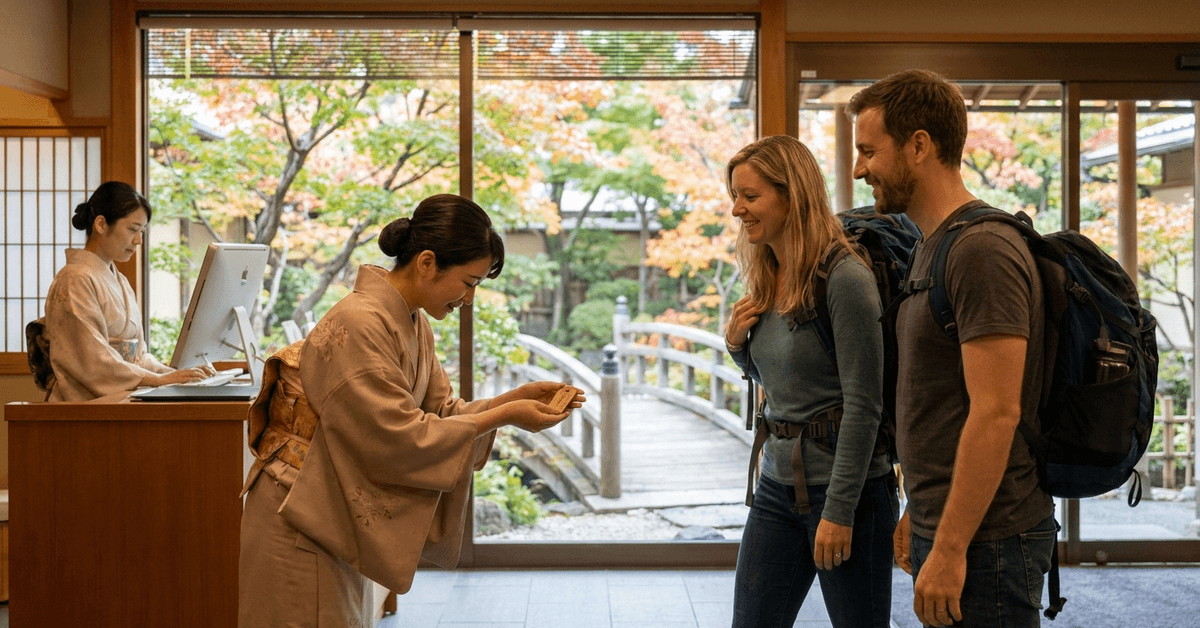
Back-of-house roles include housekeeping, maintenance, kitchen staff, chefs, and management.
Language Skills and Expectations
In major cities like Tokyo, Osaka, and Kyoto, English-speaking jobs are available, although many employers expect basic Japanese language skills.
Smaller towns largely require conversational or advanced Japanese proficiency to serve domestic guests effectively.
- Entry-level jobs: Basic Japanese or foreign language skills are helpful.
- Mid-level: Conversational Japanese required for customer interaction.
- Higher-level: Fluency in Japanese expected, including reading and writing.
Common Job Types
- Hotel front desk and receptionists
- Housekeeping and room attendants
- Restaurant waitstaff and bartenders
- Kitchen hands and cooks
- Concierge staff
- Event setup and guest services
Where to Find Hotel and Hospitality Jobs
Jobs are prevalent in tourist hotspots such as Tokyo, Kyoto, Osaka, Sapporo, Fukuoka, and Okinawa.
Seasonal demand appears in ski resorts (Niseko), hot springs areas (Hakone, Beppu), and coastal cities during summer months.
Top Online Job Platforms
Online job platforms make it easier to search vacancies, compare opportunities, submit applications, and connect with employers across different industries.
- GaijinPot Jobs: Featuring English-friendly hotel and restaurant positions for foreigners.
- Jobs in Japan: Useful for English and bilingual hospitality job listings.
- Indeed Japan: Broad listings, easily filtered by region and job type.
- Hotel Jobs Japan: Dedicated portal for hotel roles, mostly in Japanese.
Specialized Recruiters
Specialized recruiters can connect job seekers with employers looking for specific skills, experience levels, or candidates within particular industries.
- Good Hospitality: Focused on matching foreign candidates to hospitality employers.
- Pasona: Multilingual recruitment service, including tourism sector roles.
In-Person Job Hunting
Visiting employers in person can help you discover local job opportunities, make a positive first impression, and inquire about immediate openings.
- Many hotels post job flyers in staff entrances or at local Hello Work (public job centers).
- Tourist cities often host job fairs for hotels and resorts, especially before peak seasons.
Application Process: Step-by-Step Breakdown
- Identify jobs on portals such as GaijinPot or Indeed Japan.
- Prepare a Japanese-style resume (rirekisho) with a photo and concise format, as is the norm in Japan.
- Write a brief cover letter—or statement of intent—in Japanese where possible.
- Submit applications via online platform forms or the hotel’s official website.
- Many employers respond within one to two weeks if interested.
- If invited for an interview, dress business formal and be punctual.
A polite follow-up call in Japanese is sometimes appreciated if no response is received after several weeks.
Visa and Legal Considerations
Foreigners need valid permission to work, especially for paid employment in hotels and restaurants.
Common Visa Options
- Working Holiday Visa : Available to citizens of many countries, valid up to one year for casual hospitality jobs.
- Work Visa (Engineer/Specialist in Humanities/International Services): For skilled or long-term roles, requires sponsorship by the hiring hotel or agency.
Short-term tourist visas generally do not allow legal employment.
Where to Confirm Details
Confirm job details through official employer websites, verified listings, recruiters, or direct contact before submitting documents or accepting an offer.
- Japan Immigration Services Agency: For visa requirements and updates.
- Official Ministry of Foreign Affairs website: To confirm eligible nationalities for working holiday programs.
Top Cities for Hospitality Work
- Tokyo: Largest hotel job market, includes luxury international chains and business hotels.
- Osaka: Known for food, nightlife, and major conventions.
- Kyoto: Center for traditional hospitality, teahouses, inns (ryokan), and seasonal festival work.
- Okinawa: Beach resorts, spas, and water sports tourism.
- Sapporo: Ski resorts and winter event venues.
Regional tourist hubs like Hakone, Nikko, and Nagano also see regular demand for seasonal staff.
Skills and Certifications That Boost Employability
Developing practical skills and earning recognized certifications can improve your qualifications, strengthen your résumé, and expand your employment opportunities.
- Japanese Language Proficiency Test (JLPT): Even N4 or N3 certification increases job options and interview success rates.
- Hospitality or tourism diplomas can be helpful, but not always required for entry-level roles.
- Experience in restaurant, cleaning, or front desk work abroad is valued—references or certificates help.
Customer Service Etiquette
Japanese hotels prize customer service etiquette, including polite greetings, bowing, attentive listening, and subtle problem-solving.
Some employers provide on-the-job training, but familiarity with hospitality norms gives candidates an edge.
Tips for Succeeding in the Japanese Hospitality Sector
Success in Japan’s hospitality industry often depends on professionalism, cultural awareness, reliability, and consistent customer service.
Employees who adapt quickly to workplace expectations may have better opportunities for stable hours and career growth.
Improve Communication Skills
Learning common keigo, or polite Japanese expressions, can make daily interactions with guests and supervisors easier. Even basic phrases for greetings, apologies, and assistance can improve service quality and workplace confidence.
Follow Professional Standards
Hotels usually expect employees to maintain a clean appearance and follow uniform, grooming, and hygiene policies closely. Arriving 10 to 15 minutes before a scheduled shift is also common practice, allowing time to prepare before duties begin.
Stay Flexible With Scheduling
Hospitality work often includes weekends, holidays, early mornings, and late-night shifts. Being available during busy periods can increase the number of shifts offered and demonstrate reliability to management.
Maximize Earning Potential
Overtime may increase monthly earnings, particularly during holiday seasons and peak tourism periods. Although tipping is uncommon in Japan, some hotels may provide performance bonuses or completion incentives.
Larger hotels may also offer language allowances to employees who speak English, Chinese, or other languages commonly used by international guests.
Conclusion
Pursuing hotel and hospitality jobs in Japan can be rewarding for those open to adapting and learning local work culture. From Tokyo’s five-star hotels to regional guesthouses, varied opportunities can fit many backgrounds—even with little prior experience.
Success comes from combining language skills, cultural awareness, and consistent professionalism. Perseverance pays off, as even entry-level jobs open doors to long-term careers or further global opportunities in hospitality.