
Uber Eats has reshaped food delivery. It connects hungry customers with restaurants and offers flexible work to drivers.
This guide addresses both sides: users ordering food, and drivers making deliveries. Anyone curious about meal delivery or seeking extra income from gig work can benefit here.
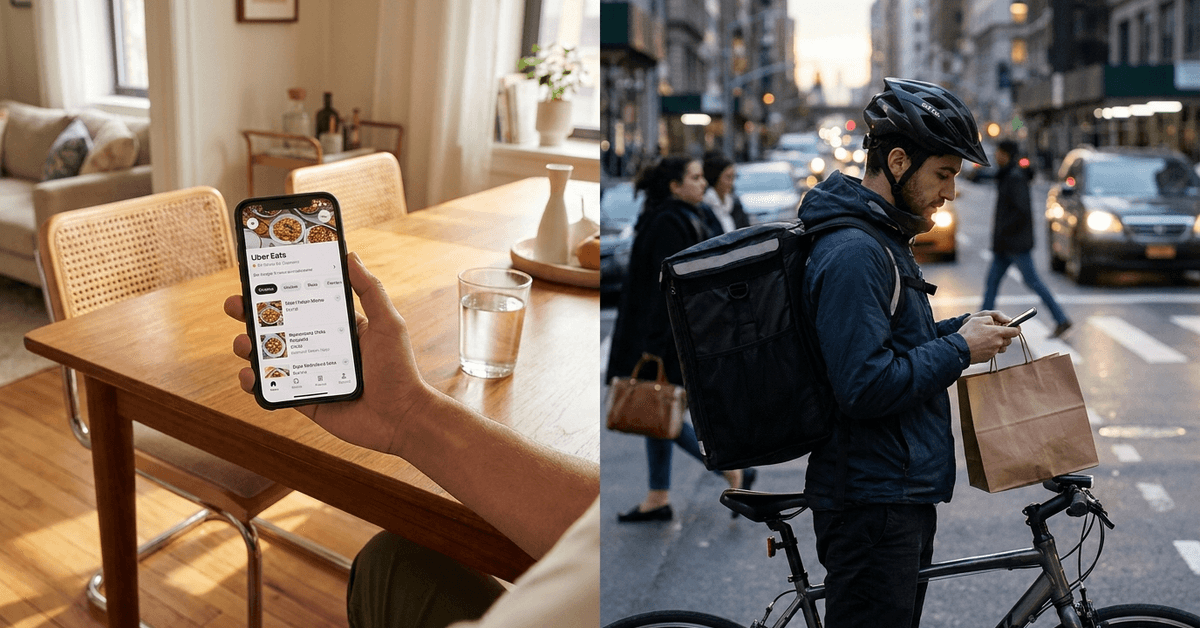
Understanding Uber Eats Basics
Uber Eats is an online food delivery platform. It links customers, restaurants, and drivers through an app.
Orders can be made using the website or a mobile app. Both are user-friendly and widely available in cities across the US, UK, and Europe.
How It Works for Customers
Customers browse menus, select dishes, and place orders. The app displays estimated delivery times.
Payment is made via saved card, PayPal, or Google Pay within the app.
How It Works for Drivers
Drivers receive requests on their smartphone. After accepting, they collect food at the restaurant and deliver it to the customer’s location.
Earnings are deposited weekly to their chosen bank account.
Ordering Food: User’s Guide
Ordering on Uber Eats is intuitive, but several tips can enhance the process.
Setting Up an Account
Creating an account is the first step toward accessing job listings, submitting applications, tracking progress, and communicating with employers.
- Download the Uber Eats app or visit the website.
- Register with an email address and mobile number.
- Add a payment method for checkout.
Finding the Best Restaurants
Search options include cuisine, restaurant name, or specific dishes. Filtering by rating or delivery time is helpful.
Check reviews and ratings for an authentic sense of restaurant quality.
Streamlining Orders
Streamlining orders can help reduce delays, improve accuracy, organize tasks, and create a smoother experience for both workers and customers.
- Favorite frequent restaurants for fast reordering.
- Use the search bar for quick results.
- Schedule orders ahead if available in your area.
Driving for Uber Eats: What to Know
Thousands of people earn with Uber Eats. Understanding requirements and expectations is key.
Minimum Requirements
Minimum requirements outline the essential age, experience, documents, equipment, and legal qualifications applicants must meet before applying.
- Valid driver’s license (or state ID for cyclists and scooter couriers).
- Age 19+ for cars, 18+ for deliveries by bike or scooter in most US cities.
- Valid vehicle insurance and registration if driving a car.
- Background check completion.
The Application Process
The application process usually includes creating an account, submitting required information, completing verification steps, and waiting for approval or further instructions.
- Create an Uber account and select "Deliver with Uber Eats."
- Submit documents such as license, insurance, and profile photo.
- Agree to a background check.
- Once approved, the app will activate the delivery option.
Earning Potential and Payment Methods
Earnings can vary by city, hour, and demand. Delivery pay includes base fare, trip distance, and sometimes surge pricing.
How Drivers Are Paid
Drivers are typically paid based on completed deliveries, distance, time, demand, and any available bonuses or customer tips.
- Base pay: Flat rate per delivery depending on city.
- Distance/time: Higher earnings for longer or more complex deliveries.
- Incentives: Boost and surge pay during busy hours enhance earning potential.
- Tipping: 100% of customer tips go directly to the driver.
Payment Frequency
Payment frequency varies by platform, with earnings commonly transferred on a weekly basis, while some services also offer faster payout options.
- Weekly direct deposit is standard.
- Instant cash-out available through Uber’s Instant Pay (fees may apply).
Top Cities for Uber Eats Opportunities
Certain cities offer more opportunities, especially where restaurants are abundant and populations dense.
- London: Demand spikes during lunch and dinner.
- New York City: Diverse cuisine and all-day orders.
- Los Angeles: High volume thanks to urban sprawl.
- Paris and Berlin: Consistent activity, especially near tourist zones.
Earnings are generally highest during peak meal times—think Friday nights and weekend brunches.
Best Tools and Apps for Efficient Driving
Managing multiple orders, traffic, and timing is critical for drivers hoping to maximize income.
Navigation
The Google Maps integration in Uber Eats provides real-time traffic and fastest food pickup routes.
Expense Tracking
Expense tracking helps drivers monitor fuel, maintenance, tolls, insurance, and other work-related costs to better understand their actual earnings.
- Gridwise helps log miles and track gig earnings.
- Stride records expenses for tax deductions.
Multi-App Strategies
Some drivers choose to use DoorDash or Grubhub alongside Uber Eats for more delivery options.
Be mindful of app switching policies to avoid missing accepted orders.
Tips to Maximize Customer Experience
Positive ratings often mean more orders and occasional bonuses.
For Customers
For customers, the service offers a convenient way to place orders, track deliveries, manage payments, and receive items directly at their preferred location.
- Check estimated delivery time before confirming an order.
- Be clear with delivery instructions for tricky addresses.
- Tip generously when service is prompt or safely delivered.
For Drivers
For drivers, the platform provides flexible earning opportunities, delivery management tools, payment tracking, and greater control over working hours.
- Arrive promptly at restaurants, but verify the order before leaving.
- Communicate if delays occur due to traffic or high order volume.
- Deliver safely, especially during adverse weather or busy times.
Legal and Tax Information for Drivers
Driving for Uber Eats is contract work. Drivers are independent contractors and handle their own taxes.
Tracking earnings and expenses is a must for tax time in the US, UK, and EU countries.
Reporting Income
Reporting income helps drivers meet tax obligations by accurately recording earnings, tips, bonuses, and other payments received through the platform.
- Uber Eats provides annual earnings summaries (Form 1099 in the US).
- Include all gig earnings even if under threshold for tax documents.
Eligible Deductions
Eligible deductions may include qualifying business expenses such as fuel, vehicle maintenance, insurance, tolls, equipment, and phone usage.
- Mileage (use an app like Everlance for precise tracking).
- Vehicle costs: fuel, maintenance, insurance related to delivery work.
- Phone expenses proportional to work use.
Each country has specific guidelines for gig workers, so research local rules to avoid surprises.
Safety and Best Practices On The Road
Whether driving a car or cycling, following basic safety practices is essential.
Road and Food Safety
Following road and food safety practices helps protect drivers, customers, and deliveries while supporting reliable service and compliance with local regulations.
- Always obey traffic laws, even if deliveries feel rushed.
- Use an insulated food bag to keep orders at safe temperatures.
- Secure all containers to prevent spills.
Personal Security
Personal security measures can help drivers reduce risks by staying alert, protecting account details, verifying delivery locations, and avoiding unsafe situations.
- Drive or bike in well-lit areas after dark.
- Never enter buildings if instructions clarify to leave food at the door.
Conclusion: Making the Most of Uber Eats
Uber Eats offers flexible opportunities for both customers craving convenience and people seeking extra income.
Choosing the right tools and strategies can elevate both experiences. For drivers, tracking earnings and understanding local regulations are key to success.
For customers, smart navigation in the app and clear communication can improve every order. The potential is significant in most cities, but outcomes depend on timing, effort, and a willingness to adapt.