Packing jobs in Japan have quietly become a reliable option for many expats searching for steady work and a slice of daily Japanese life. This guide is tailored for expats—whether you’re new in Japan or considering re-entering the workforce.
If practical income, language-light roles, and a hands-on view of Japanese work culture sound appealing, you may find packing jobs worth exploring.



Why Packing Jobs Attract Expats in Japan
The job market in Japan contains many specialized positions, yet packing jobs stand out. They don’t usually require advanced Japanese or previous industry experience, which—unsurprisingly—makes them accessible for many foreigners.
Some expats note the straightforward tasks and regular shifts help manage culture shock while earning income.
Minimal Language Barriers
Packing roles often involve following direct instructions or using basic Japanese phrases for workplace safety. Expats, especially those still improving their language skills, may appreciate this friendly entry point into the Japanese job scene.
Variety of Workplaces
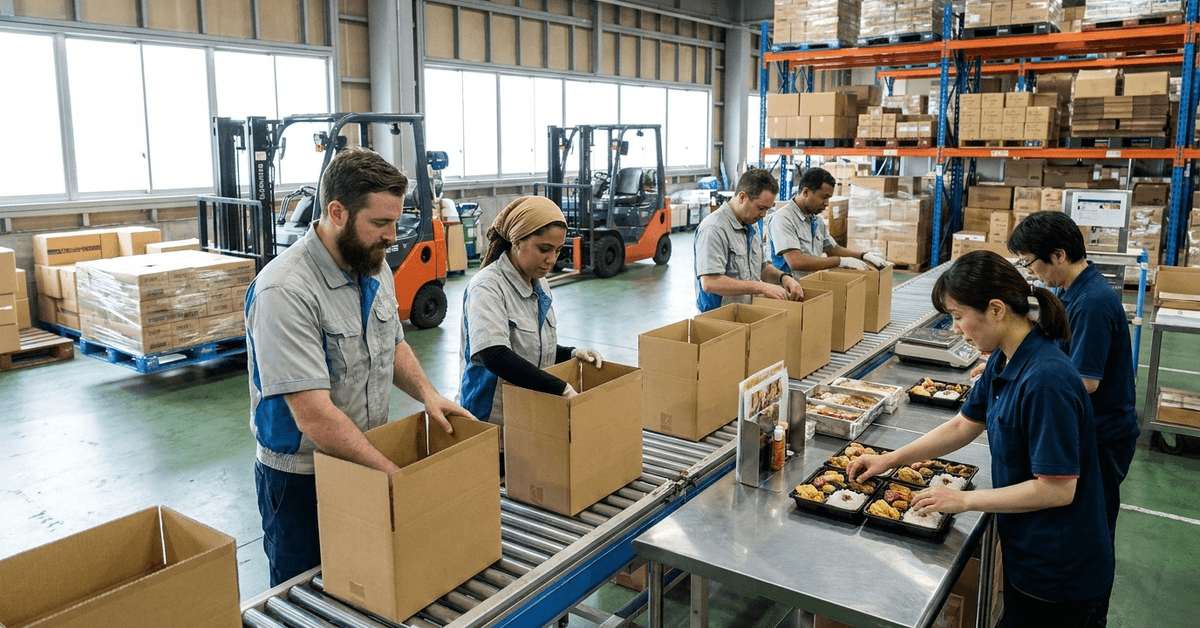
You’ll find packing jobs in warehouses, food production, electronics, and even seasonal gift fulfillment centers. Perhaps you’ll hear about roles that involve preparing boxes of chocolates for export or assembling product kits for online retailers.
Flexible Shifts and Contract Lengths
Part-time, full-time, and temporary contracts are common. Flexibility might help students, spouses, or anyone working around visa restrictions. Someone might choose night shifts for higher pay, while others prefer daytime consistency.
Types of Packing Jobs Available for Expats
Not all packing jobs are the same. The term covers several different roles, each with unique tasks, environments, and seasonal patterns. Let’s break down the typical positions expats may encounter.
Warehouse Packing Staff
This is perhaps the most familiar option, involving organizing goods, packing orders, and preparing items for shipment. Large chains and logistics companies regularly seek staff year-round, making this role quite accessible.
Food and Beverage Production
Jobs packing bento boxes, snacks, or beverages are popular. Cleanliness is a main priority, so gloves, masks, and uniforms are standard. Some report finding fast-paced shifts, especially around holiday seasons.
Gift or Seasonal Product Packing
In peak retail periods, companies hire extra hands to assemble, wrap, and pack merchandise such as seasonal sweets or gift baskets. The roles can get repetitive, but there’s something a little satisfying about seeing the sheer scale of Japan’s holiday gifting culture firsthand.
Requirements and Hiring Criteria for Expats
Packing jobs in Japan usually come with fewer entry barriers, but there are still some basic requirements.
- Visa status : Holders of student, dependent, and specified visas may be eligible. Some companies focus recruitment on those already living in Japan.
- Health and stamina : Daily work typically involves being on your feet and some lifting. Physical comfort is regularly emphasized.
- Basic Japanese : Though not always mandatory, being able to understand safety instructions or workplace announcements is usually valued.
- Reliability : Consistent attendance and punctuality are highlighted in nearly every job description.
How to Find Packing Jobs in Japan
Many expats wonder where to look for these positions. It’s not a universal process, but there are some proven strategies.
Online Job Boards
Sites like GaijinPot Jobs and Daijob frequently post packing and warehouse roles. It can be worth checking both English and Japanese-language boards for broader options.
Recruitment Agencies
Japanese staffing companies such as Good Job Creations or Pasona Global sometimes focus on temporary assignments in logistics, food, and manufacturing sectors. Placement may be quick, especially for urgent seasonal demand.
Walk-ins and Referrals
Some smaller businesses still use old-school methods. A few expats recall walking into a warehouse with a resume or hearing about jobs from friends in their community. Local knowledge often opens doors to positions not widely advertised.
Typical Pay and Benefits
It’s natural to wonder about salary when considering a move or gig in a new country. Packing jobs in Japan offer a range, mostly determined by city, shift time, and the employer’s size.
- Hourly wages : In Tokyo or Osaka, hourly rates commonly range from 1,100 to 1,500 yen. Late-night shifts or overtime can pay higher.
- Benefits : Health insurance and paid leave may be available for full-time roles, but most part-time jobs keep things basic. Sometimes, staff receive discounted meals or transport reimbursement.
- Seasonal bonuses : A few companies provide bonuses for exceptional attendance or at peak seasons, though this isn’t guaranteed.
Challenges and Considerations
No job is perfect, and packing work has its share of challenges. It’s honest work, but also physically repetitive. It might become monotonous or physically taxing for some—which isn’t always obvious until you’re a few weeks in.
Physical Demands
Standing for hours, handling boxes, or working in chilly warehouses can take a toll. Many expats recall needing a period of adjustment, particularly if they weren’t used to manual labor.
Language and Communication
Even when Japanese skills aren’t formally required, understanding instructions or navigating a mixed-language environment may create occasional frustration. Some people find their listening improves quickly, while others may feel isolated at first.
Temporary Contracts
Short-term contracts might suit travelers and students, but can feel uncertain for those seeking long-term stability. Some agencies offer the chance to switch roles or extend contracts, though not always seamlessly.
Tips for Success in Packing Jobs
If you choose to explore packing jobs, a few small habits may enhance your experience—and even help you thrive.
- Show up early : Japanese workplaces often prize punctuality. Arriving a little ahead of shift is rarely wasted effort.
- Invest in comfortable shoes : For long hours, this detail can genuinely make a difference.
- Ask for help : Supervisors and coworkers may seem reserved, but asking questions is generally welcome if it shows you want to get things right.
- Keep learning : Over time, absorbing routine vocabulary can make shifts smoother and open up further opportunities.
Legal and Tax Considerations for Expats
Working in Japan involves legal responsibilities and some paperwork, even for packing jobs. Missing a requirement can lead to trouble, so it’s worth understanding the basics.
Work Permits and Documentation
Visa holders must comply with the terms of their stay. For example, students are generally limited to 28 hours of work per week during term time. Keeping a copy of your work permit handy is advisable.
Tax and Insurance
Earnings from packing jobs are subject to income tax. Employers typically withhold taxes, but part-timers may need to file an annual return. Health insurance access depends on contract and hours worked—some expats are automatically enrolled, while others manage insurance separately.
Additional Resources and Where to Learn More
Life as an expat in Japan involves constant learning. For more insights, consider resources like Hello Work (the national employment center) or expat forums such as Reddit’s r/japanlife.
Reading real stories adds perspective—though, like any advice shared online, experiences may vary quite a bit.