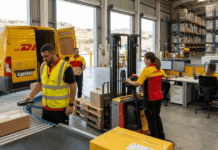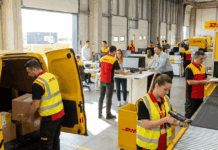
Food delivery jobs have grown rapidly across Europe, offering flexible earning options for a wide range of people.
Anyone considering this role might be interested in the simplicity of the application process and the chance to work almost anywhere in the region.


This resource is designed for job seekers, students, or anyone looking for part-time income who wants to know how to become a food delivery driver in Europe.
The primary benefit is the potential to earn income with flexible schedules and minimal entry barriers, but there are some nuances to consider along the way.
Why Food Delivery Driving Is Popular in Europe
The demand for reliable delivery drivers has increased due to the rise of mobile ordering apps and continued urbanization.
More people might choose this career for its straightforward entry process and promising earning opportunities.

Ongoing Demand in Cities and Towns
In most major European cities, the appetite for home-delivered food continues to boom. Both established residents and newcomers find this job accessible, and new businesses are often seeking drivers.
Attractive Earning Flexibility
There is no fixed working schedule. Drivers can often decide their own hours, which means fitting work around studies or other commitments becomes possible and, for some, preferable.
Simple Entry Requirements
Joining a food delivery platform typically requires minimal paperwork. Some platforms allow applicants to use bicycles or scooters, which is ideal for those without a car.
Key Requirements to Apply as a Food Delivery Driver
The process does have basic but important requirements. Some of these are set by delivery apps, while others are based on local laws and EU regulations.
Required Age and Residency Status
Applicants generally need to be at least 18 years old. For non-EU nationals, holding the correct working visa or residence permit will be necessary in most cases.
Vehicle and Equipment Standards
Most platforms accept bicycles, scooters, mopeds, and cars. The type required might depend on the specific city or company. Legal registration and insurance for the vehicle is typically mandatory.
Background and Health Checks
Background screening is a fairly standard part of the application, mainly to ensure a safe and trustworthy service. In some countries, a clean criminal record may be required by law.
Mobile Device and App Access
Since most delivery assignments are managed via a mobile app, having a smartphone with reliable internet connection is essential. Certain models or software versions might work best.
The Step-by-Step Application Process
The path to becoming a food delivery driver in Europe may look slightly different from country to country, but there are some core steps many individuals will follow.
1. Research the Major Delivery Platforms
Top brands such as Uber Eats , Deliveroo , and Glovo operate in many European countries. Comparing their requirements, pay models, and local coverage is usually a helpful first step. For official Uber Eats information, visit the Uber Eats Europe application page.
2. Prepare Required Documents
Most platforms request identification (passport or EU identity card), proof of address, and sometimes a recent background check. Having digital copies ready might streamline the process significantly.
3. Sign Up Online
Applications can mostly be completed on the company’s official site or mobile app. This stage generally includes uploading documents, filling out personal details, and agreeing to terms and privacy policies.
4. Attend an Onboarding Session
Many companies offer an online training module or a local orientation session covering safety, app usage, and expectations. New drivers can often ask questions or clarify doubts at this point.
5. Activate Your Driver Account
Once the required checks are completed, new drivers usually get activated and can start accepting jobs. Sometimes, branded equipment such as bags or vests will be provided or made available for purchase.
Top Platforms for Food Delivery Driving in Europe
Different platforms are popular depending on the country and city. Working with more than one platform is possible, though it may require separate applications and logins.
Uber Eats
This global service operates in most large European hubs. Its workflow is streamlined and well-known, often making it a first choice for many new drivers.
Deliveroo
Very active in the UK, Ireland, Spain, and other Western European markets. The application is straightforward, with options for bicycle or car couriers.
Glovo
More common in Southern Europe and parts of Eastern Europe. Glovo often welcomes new riders in cities that other platforms have not yet reached.
Just Eat
Best known in Northern and Central Europe, Just Eat sometimes partners directly with local restaurants. This can mean more stable routes or returns for some drivers.
Tips for a Successful Application and Experience
Although strict strategies aren’t always needed, there are a few common considerations many experienced drivers mention that could help new applicants.
Check Local Employment Laws
Labor and taxation laws differ from one European country to another. Some require drivers to register as self-employed, while others see delivery drivers as regular employees.
Document Everything Carefully
Staying organized with paperwork, insurance, and registration materials might save time and headache—especially during tax season.
Test the App Before Accepting Orders
Understanding the delivery app interface before the first job can ease the initial learning curve. Most apps include tutorials and local guidelines as part of the setup process.
Legal and Tax Considerations for Drivers
Being aware of your obligations is important before and after starting work. Many drivers report that getting clear on these points avoids surprises later.
Self-Employment Registration
In countries such as Germany, France, or Spain, drivers are often considered independent contractors. Registration with the local tax authority is usually required before starting work.
Insurance and Liability
Valid third-party liability insurance for your chosen vehicle type is nearly always required. This protects both the driver and the platform in case of accidents or incidents on the road.
Tax Reporting and Social Security
All earnings are generally subject to income reporting, and in some countries, social security contributions. Drivers may wish to consult with a qualified tax adviser for local details.
Final Thoughts and How to Apply
Pursuing a career as a food delivery driver in Europe can suit many lifestyles due to its flexibility and relatively low entry barriers. While the process is straightforward, applicants will benefit from keeping documents ready and familiarizing themselves with local requirements.
For those interested in joining one of the largest European delivery networks, a helpful place to start the application is the official Uber Eats sign-up page. Always check for official updates to ensure you meet current requirements for your desired city or region.
With evolving opportunities and growing demand, food delivery driving remains a reliable source of income across Europe. Whether it becomes a primary job or a side hustle, informed preparation makes for a smoother entry into this sector.