Japan has a steady demand for cleaning professionals in hotels, offices, and residential buildings. Many foreigners are drawn to these jobs for stable income and flexible hours.
This article covers how to find and secure cleaning work in Japan. It’s designed for people who want practical advice, real city examples, and proven tools.



Why Cleaning Jobs Appeal to Foreign Workers in Japan
Cleaning work often needs little Japanese language skill. Training is usually provided on the job, making entry easier for newcomers.
Many contracts offer steady pay and a predictable schedule. This is ideal for people adjusting to life in Japan.
Consistent Demand Across Major Cities
Tokyo, Osaka, Kyoto, and Fukuoka have thousands of hotels, malls, and apartments. This creates ongoing opportunities for cleaners.
Tourism rebounds boost hotel and Airbnb bookings, further increasing job openings in peak seasons.
Accessible Work for Different Skill Levels
No specialized degree is needed for most cleaning jobs. Employers value reliability, punctuality, and attention to detail first.
Experience in cleaning can help, but it’s not always required.
Opportunities for Stable, Legal Employment
Many companies offer formal contracts. This can help foreign workers get or renew a valid work visa.
Official roles also protect workers’ rights under Japanese labor law.
Types of Cleaning Jobs Available to Foreigners
The cleaning sector in Japan has options for varied lifestyles and schedules. Choices will depend on experience and language skills.
Hotel and Ryokan Housekeeping
Larger cities have many hotels seeking cleaners. Most require basic Japanese to coordinate with staff.
Ryokans (traditional inns) often prefer candidates with strong attention to detail.
Office Building and Commercial Facility Cleaning
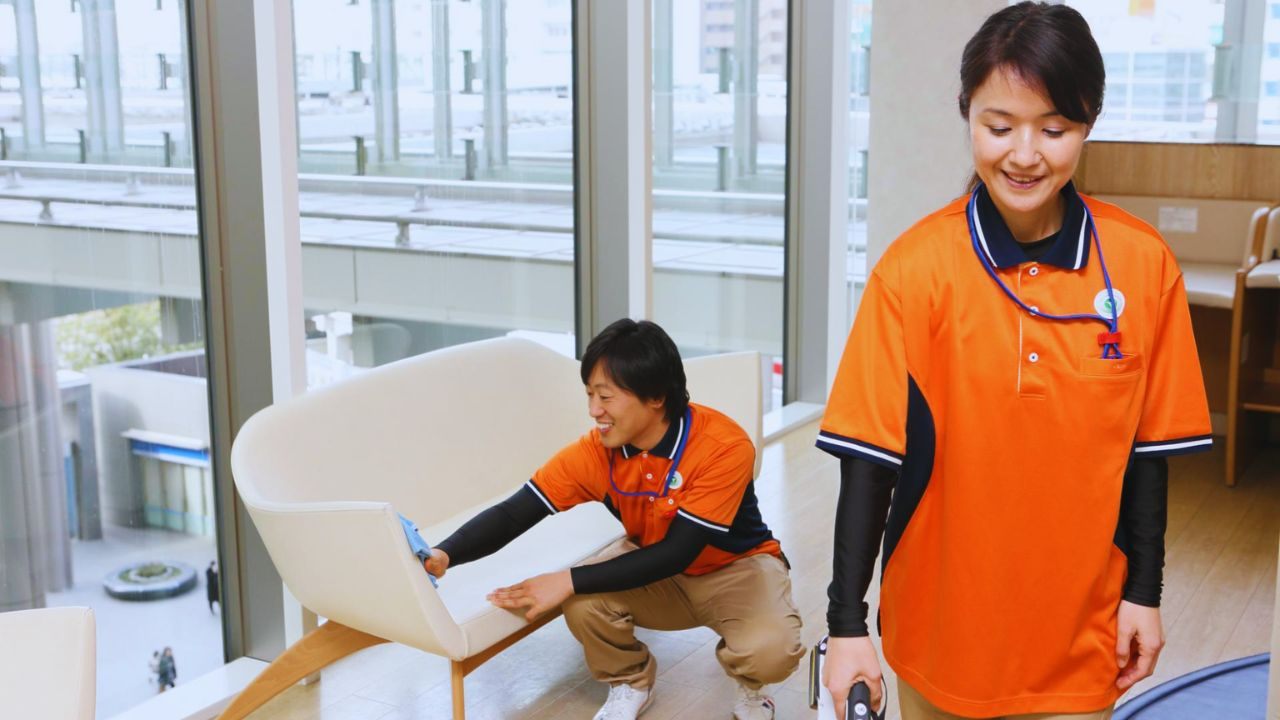
Night shifts are common for office cleaning. Tasks include wiping surfaces, emptying bins, and vacuuming lobbies.
Some agencies offer early morning or evening roles for part-time workers.
Apartment and Residential Cleaning
Companies like Duskin and Bear Tail employ teams to clean private homes and rental apartments.
This work can be solo or as part of a crew, depending on the assignment.
Industrial and Specialized Facility Cleaning
Hospitals, factories, and schools often hire contract cleaners. Requirements may be stricter due to health standards.
Specialized roles sometimes offer higher pay for those willing to handle more demanding tasks.
How Foreigners Can Find Cleaning Jobs in Japan
A step-by-step approach works best for job-seekers who are new to Japan or job searching for the first time.
Check Visa Requirements First
A valid work visa is mandatory for most paid roles. The “Specified Skilled Worker” (SSW) and “Student” visas are common options.
Some roles are open to part-time workers on student status. It’s wise to verify limits on weekly work hours before applying.
Build a Simple Japanese Resume (Rirekisho)
Most employers request a Japanese-style resume. Basic templates are available from Hello Work and Townwork’s websites.
List any prior cleaning experience, even from other countries—this shows commitment and reliability.
Search on Major Job Boards and Apps
- GaijinPot Jobs for English-friendly roles
- Townwork for nationwide cleaning ads
- Indeed Japan with daily job updates
Entering “清掃” (seisou, meaning ‘cleaning’) as a keyword helps target relevant postings.
Visit Local Hello Work Offices
Hello Work is Japan’s public employment service. Advisors can help foreign workers find legal, suitable jobs in their area.
Staff may also offer tips on adapting to Japanese workplace culture.
Contact Specialized Cleaning Agencies
Agencies like Duskin, Bear Tail, and Pasona recruit for multiple sites. Registering with an agency opens doors to several types of cleaning roles.
Agency staff often help with application paperwork and basic training.
Step-by-Step: Applying for Cleaning Jobs in Japan
Applying for a cleaning job in Japan is usually straightforward when you understand each stage of the process and prepare the required documents in advance.
- Prepare required documents: a copy of your residence card, basic resume, and proof of visa status.
- Register for accounts on job portals like Townwork or GaijinPot Jobs.
- Search for cleaning jobs by city or ward using “清掃” and filter by part-time/full-time to match your preference.
- Send applications directly via job boards or contact cleaning companies by phone.
- When called for an interview, wear neat attire. Bring your documents and be ready to answer simple questions about experience and availability.
- If offered the job, carefully review contract terms for pay, hours, and legal rights before signing.
Top Cities in Japan for Cleaning Jobs
Japan’s major cities offer different levels of demand for cleaning workers, with opportunities shaped by local industries, tourism, population, and workplace needs.
Tokyo
Japan’s capital has the largest concentration of hotels, offices, and apartments needing regular cleaning.
Neighborhoods like Shinjuku and Ginza offer daily job ads, and many employers value basic English skills.
Osaka
Hotels in Namba and Umeda hire during peak tourist seasons. Short-term contracts are common for those on student visas.
More cleaning companies in Osaka now consider candidates with limited Japanese.
Kyoto
The city’s many guesthouses and ryokans often hire seasonally, especially around cherry blossom and autumn festivals.
Some employers provide room and board for live-in cleaning staff.
Fukuoka
Growth in new office and residential complexes has increased demand for cleaners in Hakata and Tenjin.
Recruiters sometimes offer minor transportation allowances as a benefit.
Common Requirements and Working Conditions
Cleaning jobs in Japan often have practical entry requirements and clearly defined workplace expectations. Understanding these conditions can help applicants prepare for the role and avoid surprises after starting work.
Language Skills
Most entry-level cleaning jobs expect simple Japanese: greetings, task lists, and safety rules. However, some hotels hire English speakers for international guest areas.
Pay Rates
Hourly pay for cleaning jobs generally ranges from 1,100 to 1,300 JPY in urban areas. Specialized work or night shifts can pay slightly more.
Typical Schedules
Full-time roles are usually 8 hours per day, 5 days a week. Part-time shifts often last 3–5 hours, usually mornings or evenings.
Uniforms and Equipment
Employers normally provide uniforms and basic cleaning supplies. Workers are sometimes expected to handle small maintenance tasks, like replacing toiletries or changing linens.
Essential Apps and Tools for Finding Cleaning Jobs in Japan
- Townwork for real-time ads, filterable by area and shift
- LINE for communicating with agencies or employers after job offers
- GaijinPot and Indeed Japan for alerts on English-friendly jobs
- Google Translate to assist reading contracts or instructions
Using several platforms increases the chance of finding a match, especially for harder-to-fill shifts or locations.
Legal and Practical Tips for Safe, Successful Cleaning Work
Following Japan's workplace rules and adopting safe work practices can help cleaning staff perform their duties confidently, protect their rights, and build a positive reputation with employers.
Understand Your Employment Rights
Legal jobs must provide a written contract with clear pay rates, expected hours, and social insurance details.
If in doubt, consulting with the local Hello Work office or a legal advice service is helpful.
Respect Health and Safety Rules
Employers should supply personal protective gear, especially for hospital or hazardous cleaning. If not provided, requesting these items is reasonable.
Following posted safety signs and protocols is important for legal and personal protection.
Visa Compliance
It is important to stick to the work limits allowed by your visa status. Working beyond that, even if the employer requests, can have serious legal effects.
For long-term plans, exploring visa upgrade options (such as SSW) is often a good idea.
Conclusion: Practical Steps Forward for Foreign Workers in Japan
Cleaning jobs across Japan offer steady pay, on-the-job learning, and a reliable introduction to the country’s work culture. From bustling cities like Tokyo to historic Kyoto, demand remains high year-round.
Foreign workers with the right visa, a simple Japanese resume, and knowledge of the best job platforms can improve their chances of finding stable, legal work. It’s useful to check terms carefully and communicate directly with employers.
The right approach to job search and work habits can lead to long-term stability and a more positive experience as a cleaning professional in Japan.