
For many people, especially those with physical limitations or seeking less strenuous work, low physical demand jobs offer an appealing and sustainable career path.
Understanding how to identify, approach, and apply for these roles can make the process less overwhelming and more effective for anyone trying to enter the workforce or change professions.


This guide is designed for job seekers in the US who prefer workplaces that are easier on the body—whether for health reasons, age, or personal preference. Your time here could reveal options that might seem rare but are, in reality, more accessible than expected.
Reading further may open up practical steps, official insights, and links to jumpstart a journey toward better work-life balance and longer-term satisfaction, all within safe and supportive working environments.
What Are Low Physical Demand Jobs?
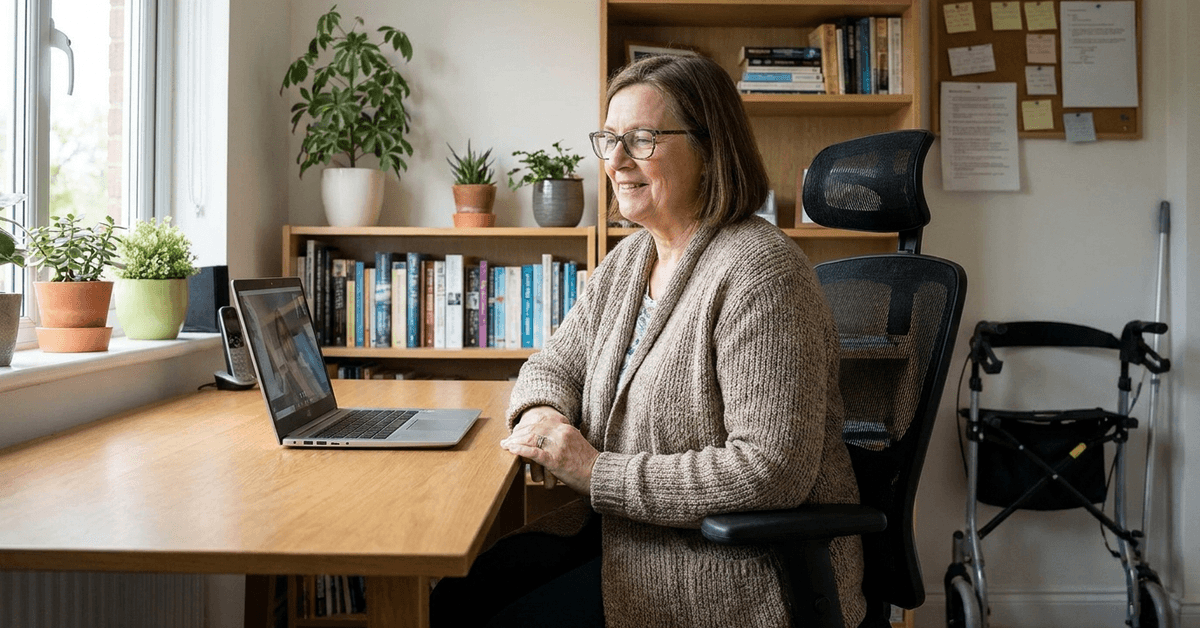
Low physical demand jobs are roles where standing, lifting, or repetitive manual tasks aren't central duties. These jobs are often suitable for people with mobility concerns, chronic illness, or simply a desire for desk-based or remote work.
Sometimes, the definition gets blurry. A few customer service jobs can involve walking or lifting, but many administrative, technical, or creative roles require less movement and allow for accommodations. The range is wider than one might first think.
Who Benefits Most from Low Physical Demand Jobs?
These roles are a great fit for older adults, individuals managing a disability, those recovering from injury, or anyone who seeks a less taxing daily routine. Remote workers, too, frequently seek such jobs.
Many career changers find transitioning into less physically challenging work lines up better with family life, flexibility needs, or even personal health goals. The demand is growing, and so is awareness about workplace accessibility.
Top Examples of Low Physical Demand Jobs
Remote and Home-Based Roles
Customer support representatives, virtual assistants, and data entry specialists all frequently work remotely. Most tasks involve working at a computer and can be tailored for further comfort or accessibility.
Office and Administrative Positions
Receptionists, schedulers, and clerks handle important business functions such as answering phones, managing records, and scheduling—typically all from a seated position.
Technical and Creative Occupations
Designers, writers, editors, and programmers develop ideas, write code, or produce content, often at their own pace. The need for regular breaks can be accommodated more easily in these fields.
Education and Tutoring
Online tutors and curriculum developers primarily work with students virtually, focusing on communication and information sharing rather than physical activity. Many platforms allow instructors to teach without commuting.
Key Skills for Securing Low Physical Demand Employment
Strong Communication
Most accessible jobs require communication via email, phone, or video. Written and verbal skills can set candidates apart, especially for support or customer-facing roles.
Comfort With Technology
Roles such as data entry or remote work usually require a basic understanding of office software, collaboration platforms, and sometimes specialized tools. A willingness to learn is often more important than expertise.
Time Management and Organization
Jobs less focused on manual labor often require tracking tasks, deadlines, or client needs independently. Employers look for candidates who can prove they manage their schedules well, even if only through examples from daily life.
Finding Opportunities: Where to Search Effectively
Large, reputable job boards list numerous options by accessibility needs. Indeed, LinkedIn Jobs, and USAJOBS (the federal platform) provide filters for work-from-home and flexible opportunities.
Disability-specific resources such as the US Department of Labor's Office of Disability Employment Policy highlight inclusive employers and programs. These are excellent starting points for trusted leads.
Optimizing Resumes and Applications for Success
Highlight Relevant Skills and Accommodations
Describing proficiency with digital tools, or detailing remote work experience, helps employers see immediate value. Brief mention of accommodation needs, if comfortable, can prompt helpful conversations later.
Tailor Applications by Industry
Each low physical demand role may call for specific focus: administrative resumes highlight accuracy, creative fields value portfolios. Subtle customization increases response rates and visibility.
Preparing for Interviews: Helpful Mindsets and Approaches
Preparation for interviews often involves anticipating questions about tech skills, teamwork, and reliability over stamina or lifting. Examples from previous jobs, volunteer experience, or online courses often suffice as valid proof of capability.
Sometimes, explaining a preference for desk-based work or schedule flexibility is beneficial, but not always required. The focus is usually on contribution and adaptability rather than physical limitations. Confidence, even if measured, matters.
Employer Trends: Growing Support for Accessibility
Across the US, there is broader recognition of workplace accommodations—from standing desks to adjusted hours and telecommuting. High-profile companies are improving onboarding processes for people with limited physical abilities.
Organizational diversity programs often mention disability inclusion and may even provide fast-track application schemes. Staying updated on such changes makes the job search feel more hopeful.
Common Challenges and Subtle Realities
Finding a role that is truly low in physical demand can sometimes take longer than expected. Job descriptions may underestimate activity levels or forget to mention physical requirements.
Reaching out to employers or support organizations for clarifications can help. Some listings will offer details about accessible workplaces or explicit remote work policies. However, a bit of patience is sometimes necessary to find the right fit.
Applying Officially: Trusted Steps to Get Started
Once a shortlist of potential jobs has been created, visiting official company websites for application procedures is a best practice. For government or disability-focused roles, the USAJOBS federal job portal is a well-established path to public sector employment with clear application guidelines and regular updates.
Conclusion and Next Steps – A Supportive Path Forward
Pursuing low physical demand jobs in the US remains fully possible for seekers of all backgrounds, abilities, and interests.
Even when a search appears slow, perseverance often leads to roles that support well-being, career growth, and personal agency. The process is not always simple, but each application can build skills and confidence even before securing the next position.
Readers interested in exploring a larger selection of official postings and resources can start with the US Department of Labor's Office of Disability Employment Policy or browse federal roles at USAJOBS . Discovering a new direction may be closer than expected—even a single appointment or application can mark an important beginning.