Deliveroo offers an engaging way for people in France to earn flexible income by delivering food to doorsteps. For those curious about becoming a courier, there’s quite a bit one might want to know up front.
This article outlines every stage of joining Deliveroo in France, why many choose it, and what’s required for success.


Anyone considering this should note the benefits and realities. Whether you’re a student, job-seeker, or looking for change, the ability to set your own hours and work different cities is attractive. Still, as with many side gigs, it pays to understand all facets before applying.
The guide is designed for English-speakers living or planning to live in France who want robust information on how to legally and efficiently start delivering for Deliveroo. This resource also points out practical tips, legal cautions, and things easily missed by beginners.
Why Deliver Food with Deliveroo in France?
As France’s food delivery market expands, the demand for reliable couriers grows too. Deliveroo stands out thanks to structured systems, competitive pay-per-delivery, and a generally positive reputation among gig workers.
There’s a sense of freedom here but, naturally, it helps to think about a few points.
Strong Demand in Urban Areas
French cities such as Paris, Lyon, Marseille, and Lille host thousands of daily orders. This constant flow gives couriers a better chance of steady jobs and manageable travel distances compared to some lesser-known towns.
Perhaps, though, smaller cities bring less competition—but that’s a bit hard to measure for everyone.
Timely Payments and Digital Management
Payments through Deliveroo land weekly into your bank account. Managing shifts, viewing past stats, and tracking bonuses are handled online or via mobile app. It’s one of the reasons gig workers keep returning to this platform, perhaps even preferring it over others for reliability in payments.
Work-Life Balance and Self-Management
Scheduling is up to you. Students often balance lectures and shifts, while parents may select school-friendly hours. There is, of course, the occasional frustration when orders slow in off-peak hours, but overall, the flexibility remains a big draw in France’s evolving gig landscape.
Key Requirements to Apply as a Deliveroo Courier in France
Deliveroo has set out clear eligibility standards, but not all requirements are immediately obvious. For English-speakers in France, a few points may seem more daunting than they are in practice.
Age and Legal Right to Work
Candidates must be at least 18 years old and have the right to work in France. This is typically covered by citizenship, residency, or a valid work permit. It is worth double-checking immigration status, since it influences your entire application and tax obligations.
Business Status: Auto-Entrepreneur Registration
To deliver legally, individuals are required to register as a micro-entrepreneur (auto-entrepreneur). The process is online and relatively streamlined, though unfamiliar terms in French bureaucracy can feel confusing at first. Registration lets you invoice, declare revenue, and access health insurance, among other benefits.
Smartphone and Reliable Transport
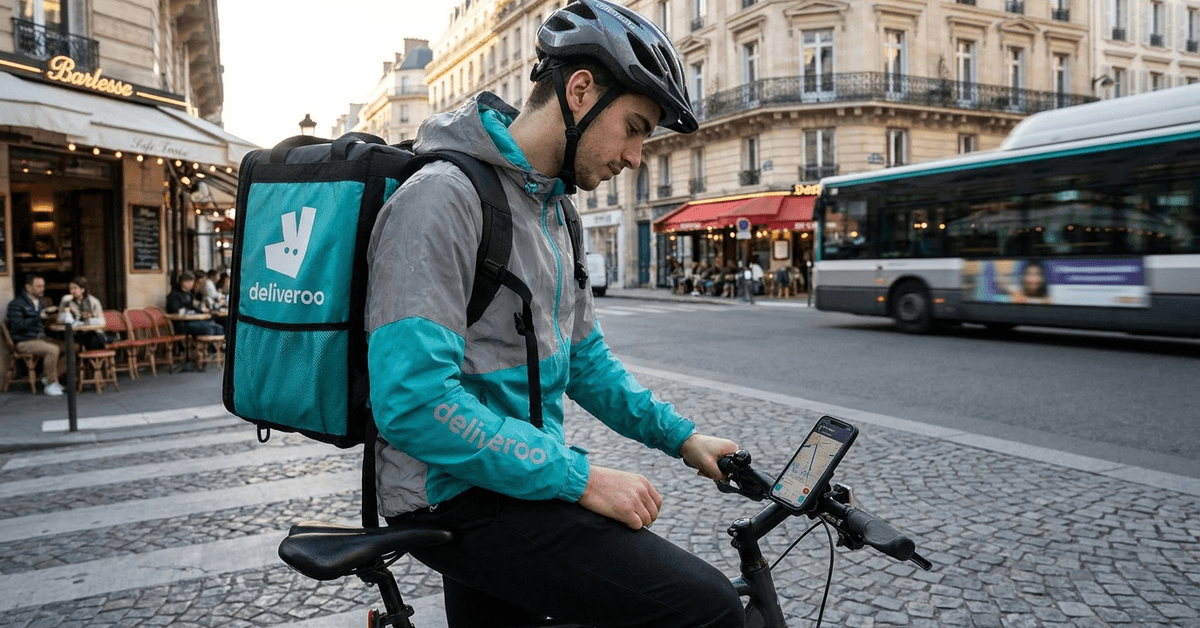
Most deliverers in France use bikes, scooters, or even e-bikes, especially in city centers. Owning a smartphone with 4G access is crucial, as order alerts and navigation all run via Deliveroo’s app.
Some prefer e-bikes to cover more ground, though the cost is something to consider up front.
Valid Identification and Supporting Documentation
Application involves submitting clear photos or scans of identity documents: typically, a passport or valid European ID. Proof of address and proof of business registration are also needed.
It’s common for beginners to fret about the format, but a high-quality scan or phone snapshot usually suffices.
Applying to Deliveroo France: The Step-by-Step Process
The application runner-up is often paperwork and patience—more so than the cycling itself. Steps are streamlined, yet real-world experiences vary depending on volume and regional backlogs.
Registering as an Auto-Entrepreneur
Start by creating a micro-entrepreneur profile. The French government provides an official registration portal at autoentrepreneur.urssaf.fr. Completing this form secures your official status and SIRET number, necessary for invoicing Deliveroo and tax matters.
Preparing the Application Materials
Once registered, gather your personal ID, proof of address (utility bill, rent receipt, etc.), SIRET number, and vehicle documentation (if using a scooter or car). Ensure everything is current, as expired papers will stall the process. Sometimes, a small translation issue or mismatched address can result in unnecessary delays.
Online Application Submission via Deliveroo
To apply, use the official Deliveroo France application form. Follow prompts for document uploads, select your city, and share your scheduling preferences. After submitting, look out for email instructions or next-step notifications—these sometimes land in spam, so regular checking helps.
App Orientation and Onboarding
If accepted, you’ll be invited to an online information session or given access to app tutorials. These cover order handling, customer communication, and important safety tips. This stage is where many realize which features they’ll rely on most, like live maps or support chat.
Activating Your Account
Deliveroo typically activates successful applicants after verification. Changes in demand or public holidays can extend wait times before access. When access is granted, you’ll download the partner app and start exploring available shifts. It’s tempting to jump right in, but familiarizing yourself with the interface is worthwhile.
Tips for Smoother Application and Better First Experiences
Succeeding on Deliveroo isn’t only about registration. Consider local traffic flow, customer etiquette, and platform bonuses to optimize your earning experience. Here are several guidance points that often come up (sometimes the hard way):
Managing Peak Hours
Lunch (11am-2pm) and dinner (6pm-9pm) remain busiest in most French cities. Weekends, especially Friday and Saturday, also offer more orders. It’s easy to underestimate how much timing impacts your income, but a bit of planning pays off.
Equipment Upkeep and Comfort
Durable rain gear, portable phone chargers, and reliable locks can all make or break a shift. Deliveroo provides branded bags and order-handling materials for new couriers. Think through your storage needs—city environments pose unique risks and inconveniences, after all.
Understanding Local Rules and Customer Preferences
City-specific traffic restrictions and delivery etiquette can differ sharply. For example, Paris has numerous bike-only lanes, while Lyon might impose more evening restrictions. Plus, expectations for politeness or contactless delivery are high, reflecting France’s customer service standards.
Legal and Tax Considerations for Deliveroo Couriers in France
Completing French registration is step one; tax obligations and insurance matter too. It may sound daunting, but the auto-entrepreneur scheme simplifies much of the paperwork—though a few pitfalls linger for the unwary.
Declaring Your Income
All earnings from Deliveroo must be declared through your auto-entrepreneur profile. Quarterly filings are common. Not reporting can invite significant penalties. Even for those starting part-time, early compliance saves headaches later.
Insurance and Liability
Deliveroo requires proof of civil liability insurance, which covers accidents or damages related to deliveries. This is straightforward to set up through any major French provider. Personal injury insurance is advisable for additional peace of mind, but not strictly required.
Staying Compliant with Platform Policies
Deliveroo updates its guidelines often, reflecting new French laws and platform safety changes. Remaining subscribed to official policy updates ensures you don’t miss adjustments that affect scheduling, earnings, or allowed vehicles.
Final Thoughts: Launching Your Deliveroo Courier Journey in France
Delivering food with Deliveroo in France provides flexible earning opportunities and a chance to explore vibrant neighborhoods. Yet, starting involves mastering paperwork, tech setup, and a few surprises unique to French cities.
Foreigners and locals alike often weigh ease of entry against tax rules, language quirks, and demand swings. With patience, careful setup, and a willingness to adapt, this role genuinely opens doors to consistent side income. For those ready to commit, the official Deliveroo France portal remains your entry point: consider visiting this official application page for the most up-to-date requirements and next steps.