
Hotel and hospitality jobs in Japan offer diverse opportunities for locals, expats, and students alike.
The sector ranges from luxury hotels and capsule inns to ryokans and global chains. Anyone interested in hands-on guest service or behind-the-scenes operations can find a suitable fit.



Japan's tourism surge, especially in Tokyo, Kyoto, and Osaka, means demand for hospitality workers remains high. Applicants with language skills, adaptability, and a customer-focused mindset will often receive priority.
Why Consider Hospitality Jobs in Japan?
Hospitality is more than front desk or housekeeping roles. It offers a chance to build people skills and experience cultural exchanges daily. Japan’s unique blend of tradition and modernity creates a dynamic workplace.
High Demand in Major Cities
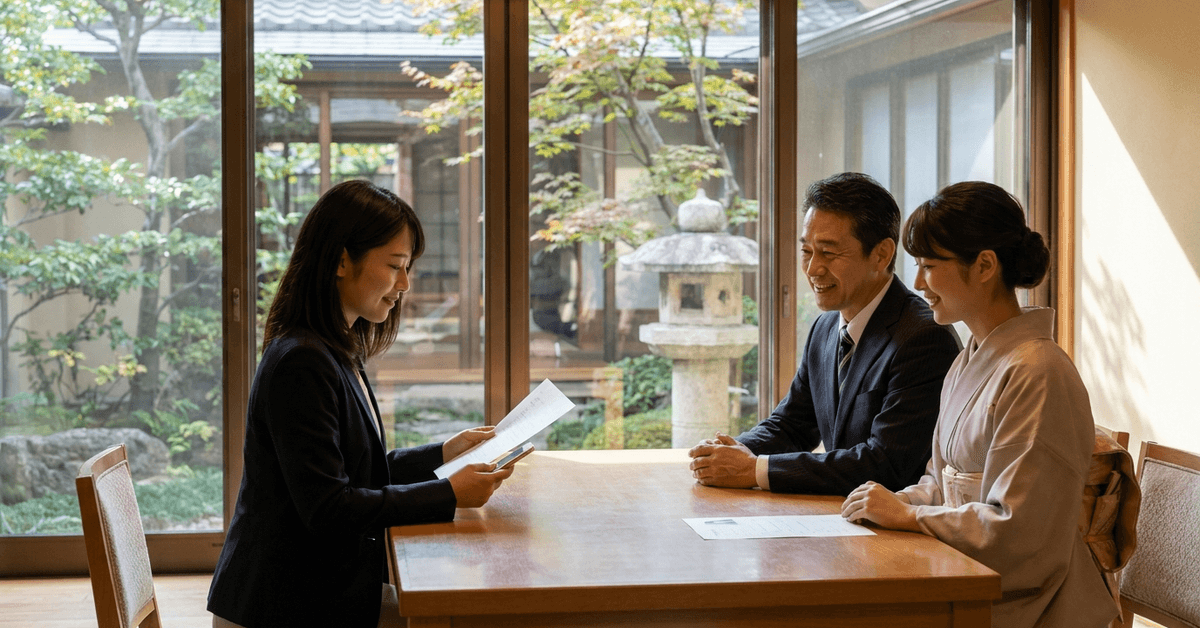
Tokyo, Osaka, and Kyoto are hotspots for hotel and hospitality hiring. Tokyo’s international appeal increases openings in global chains, while Kyoto’s historic ryokans blend Japanese culture with guest relations.
Career Growth Potential
Promotions in Japanese hotels can be rapid, especially for those who show dedication and learn key phrases in Japanese. Leadership roles are available for mid-career professionals or experienced expats.
Stable Income and Perks
The hospitality industry often provides stable contracts, perks like staff meals, and possibilities for subsidized accommodation or travel expense support. Competitive wages in urban hotels attract job seekers.
Types of Hotel and Hospitality Jobs
The Japanese hospitality industry covers a wide spectrum of roles. Each comes with distinct daily tasks and varying language requirements.
Front Desk and Guest Relations
Receptionists and guest service associates are key liaisons between visitors and management. These roles frequently require business-level Japanese and English competence.
Housekeeping
This area often offers positions for those with little Japanese ability. Cleaning, laundry, and room prep form the core of daily tasks in large hotels and small inns alike.
Food and Beverage Service
Restaurants inside hotels, as well as banquet services, frequently seek servers and cooks. Fluency in Japanese helps—and so does prior hospitality experience—but enthusiasm can often compensate.
Back-Office Operations
Hotel administration, event planning, and reservations management offer growth for candidates with strong organizational skills. Many of these positions value computer literacy.
Where to Find Job Listings
There are several reliable resources for discovering hotel and hospitality positions in Japan. A multi-channel approach increases your chances of success.
Online Job Boards
Online job boards help candidates find hospitality vacancies, compare requirements, upload résumés, and apply directly to employers across Japan.
- GaijinPot Jobs: This platform features English-language hospitality listings, especially in Tokyo and Osaka.
- Jobs in Japan: Known for updated postings across cities and regions.
- Hotel Jobs Japan: Focused on hotel roles, from luxury to economy chains.
Company Career Pages
Company career pages provide direct access to current openings, role requirements, workplace details, and official application instructions from employers.
- Daiwa Roynet Hotels: Lists staff vacancies for its national chain.
- Hilton Careers Japan: Lists openings for Hilton properties nationwide.
- Ana Crowne Plaza: Features positions for both locals and international candidates.
Recruitment Agencies and Local Listings
Recruitment agencies and local listings can help job seekers discover regional vacancies, receive application support, and connect with employers seeking immediate hires.
- JAC Recruitment and RGF Japan specialize in bilingual roles within hospitality.
- Workforce Japan and Hello Work also share local job openings and offer support with applications.
How to Apply for Hotel Jobs in Japan
The application process can appear formal compared to other countries. Understanding expectations boosts your chances.
Step-by-Step Guide
A step-by-step guide can simplify the job search by outlining how to find openings, prepare documents, apply, and follow up effectively.
- Research desired hotels or chains. Prioritize those matching your language skills and experience.
- Prepare a Japanese-style resume (rirekisho). Templates and guides are often available online.
- Write a concise cover letter focused on customer service strengths and language abilities.
- Submit applications online, through recruiters, or in person (where allowed).
- Respond promptly to interview requests. Interviews may involve several rounds, including role-play or customer interaction scenarios.
Key Application Tips
Following key application tips can help candidates present stronger qualifications, avoid common mistakes, and improve their chances of receiving a response.
- Punctuality is crucial. Arriving five to ten minutes early is standard.
- Professional attire is expected, even for entry-level roles.
- Learning several Japanese hospitality phrases, such as “Irasshaimase” (Welcome), creates a positive impression.
Essential Skills and Language Requirements
Language proficiency varies by role and location. Urban hotels prefer bilingual applicants. Smaller regional inns may accept basic Japanese and willingness to learn.
Japanese Language Skills
Japanese language skills can improve communication with guests and coworkers, expand available job options, and support long-term career growth.
- JLPT N3 or higher is preferred for most guest-facing roles.
- Conversational ability is often enough for back-of-house or housekeeping jobs.
- Language schools and apps like Duolingo or Minato can help newcomers prepare.
Soft Skills
Strong soft skills, such as communication, teamwork, adaptability, and professionalism, are highly valued by employers throughout Japan’s hospitality industry.
- Politeness and attention to detail are valued in every hospitality role.
- Flexibility, resilience, and a customer-first mindset help workers stand out.
Visa and Legal Requirements
Working legally in Japan requires a valid visa. Hotels may sponsor work visas for qualified candidates, though many part-time roles require existing eligibility.
Common Visa Types
Common visa types determine which jobs foreign applicants may legally perform, how long they can stay, and what employment conditions apply.
- Working Holiday Visa: Available for citizens of select countries, ideal for short-term hospitality jobs.
- Specified Skilled Worker (SSW): Enables hospitality employment for up to five years, with language and skills tests required.
- Student Visa: Allows limited weekly work hours, often enough for part-time hotel jobs.
Documents Needed
Required documents may include a valid passport, visa or residence card, résumé, qualifications, and other records requested by the employer.
- Passport and valid visa.
- Residence card if you already live in Japan.
- Proof of address for onboarding.
City-Specific Opportunities
Some cities present unique advantages and local cultures. Adapting to each makes the job search smoother.
Tokyo
As Japan’s busiest city, Tokyo’s hotel scene is competitive. International chains and boutique accommodations require high service standards and language diversity.
Kyoto
Traditional inns (ryokan) are popular in Kyoto. Roles often involve yukata assistance and learning about omotenashi, Japan's unique hospitality style.
Osaka
Food and nightlife make Osaka’s hotels lively workplaces. There is high demand for food service and entertainment-related roles.
Hokkaido and Okinawa
Resort towns like Sapporo and Naha offer seasonal jobs in ski and beach hotels. English-speaking staff are often sought during peak tourist seasons.
Top Apps and Tools for Job Seekers
Job-seeking apps and digital tools can help candidates discover vacancies, organize applications, improve résumés, prepare for interviews, and track employer responses.
- LINE: Many recruiters and employers communicate job details via this messaging app.
- Indeed Japan: A broad source of up-to-date hotel job listings.
- Google Maps: Checking reviews and locations can help shortlist reputable employers.
- Rirekisho Templates: Websites like Japan Switch offer free downloadable resume templates.
Interview and Onboarding Expectations
Interviews often combine traditional question formats with practical skills assessments. Demonstrating genuine interest in Japanese hospitality and respect for cultural norms goes far.
Trial Shifts
Some hotels conduct trial workdays. These provide a chance to demonstrate language abilities, efficiency, and customer service mindset before receiving a formal offer.
Cultural Norms
Understanding Japanese workplace culture can help employees communicate respectfully, build positive relationships, and adapt more easily to daily expectations.
- Bowing is standard practice during introductions.
- Addressing others with proper honorifics signals respect.
- Thank-you emails or letters post-interview are seen as courteous.
Salary, Benefits, and Work Culture
Salaries vary based on location, job type, and experience. Urban jobs pay more, especially for skilled or bilingual applicants.
Average Wages
Average wages vary by role, experience, location, employer, and working hours, making it important to compare current salary information carefully.
- Entry-level roles: 1,000 to 1,300 yen/hour in cities.
- Mid-level and supervisory positions: 2,000 yen/hour or higher, especially with English or another language fluency.
Benefits
Employee benefits may include health coverage, paid leave, transportation support, staff meals, bonuses, and other perks depending on the employer.
- Transportation reimbursement is common.
- Staff meals during shifts are often included.
- Uniforms usually provided at no cost.
Work Environment
The work environment may involve fast-paced tasks, teamwork, guest interaction, rotating shifts, and strict standards for service, cleanliness, and professionalism.
- Hierarchy is present, but effort and loyalty are noticed.
- Teamwork, punctuality, and initiative are highly regarded.
Conclusion
Succeeding in Japan’s hotel and hospitality industry takes patience, adaptability, and a willingness to learn cultural etiquette. The best opportunities are open to those who prepare thoroughly and stay open to various roles.
Whether aiming for temporary work or a lifelong career, Japan’s hospitality sector provides valuable experiences, personal growth, and the chance to connect with people from all over the world.
Exploring this rewarding industry can be a turning point, not only for financial reasons but also for cross-cultural insights and lasting memories.