
The Supplemental Nutrition Assistance Program (SNAP), often known as “food stamps,” provides essential help to people and families struggling with grocery costs.
For those seeking food support or just curious if they’re eligible, understanding SNAP is a valuable first step.



This guide is designed for anyone considering applying for SNAP, from individuals and families to caregivers and students. It covers who may qualify, typical requirements, and how the process looks in most states.
What Is SNAP and Who Can Benefit?
SNAP is a federally supported program managed at the state level. It assists low-income households by helping buy groceries.
If you're currently facing financial hardship, or you’re interested in how government nutrition assistance works, learning the basics of SNAP could provide new options.
The main benefit? A monthly allowance on an Electronic Benefit Transfer (EBT) card, usable at most grocery stores and markets. While the application details can differ slightly by state, the broad rules are consistently applied nationwide.
Who Is Eligible for SNAP?
Determining SNAP eligibility involves several key factors, not just income. The process aims to provide support to those most in need, but there can be nuance to the rules. Some might find the thresholds a bit confusing, especially as situations and policies change.

Income Limits
Generally, your household needs to meet certain income guidelines. Both gross and net monthly income are considered. The limits depend on household size and change each year.
For current guidelines, the official USDA SNAP income limits page provides the most accurate figures.
Asset Considerations
For most applicants, assets such as bank balances and certain property are reviewed. However, some assets—like a primary home or retirement accounts—might not count toward the limit. Asset thresholds may be higher for households with disabled members or seniors.
Citizenship and Residency Status
US citizens, many legal residents, and some specific non-citizen groups may qualify. Requirements often include proof of identity and legal residency status.
Undocumented immigrants, unfortunately, aren’t eligible for SNAP, although some mixed-status families might still receive partial benefits. State-specific nuances exist—checking your state agency’s guidance is a prudent step.
Work Requirements
Generally, able-bodied adults without dependents (ABAWDs) may need to meet work or training obligations to get or keep benefits. This rule can differ by state and personal circumstances.
Exemptions can apply for students, those caring for children, or people with disabilities. It’s sometimes tricky to interpret whether part-time work or school meets the criteria, so it’s a good idea to review detailed state guidance.
Other Special Groups
Certain groups—such as the elderly, people with disabilities, homeless individuals, or survivors of domestic violence—may have adapted or simplified rules.
For example, some college students qualify if they meet income limits and are working enough hours, or if their circumstances qualify for policy exceptions.
How Does the SNAP Application Process Work?
Navigating SNAP applications may feel daunting, but most find it manageable with the right preparation. While states have flexibility, most follow a similar process.
Steps can include paperwork, an interview, and providing documentation. If you’re organized, the process doesn't usually take very long.
1. Gathering Required Documents
- Identification (driver’s license, state ID, passport)
- Proof of address (utility bill, rental agreement)
- Income documentation (pay stubs, benefit letters, tax returns)
- Asset information (bank statements, car registration)
- Social security numbers for all household members
Not everyone will need every single document—a state caseworker may clarify what’s necessary for your situation.
2. Starting the Application
Applications are available online (via most state SNAP websites), by mail, or in-person at a local office. Most people find online forms convenient, but those unsure about technology can request help at community centers or through SNAP hotlines.
3. Completing an Interview
A follow-up interview, in person or by phone, is typical. Its purpose is to confirm information and discuss the household situation.
Some find it slightly nerve-wracking, but caseworkers are trained to help applicants through the process, answer questions, and provide guidance without judgement.
4. Waiting for the Decision
After submission and interview, households are notified—in writing or online—about their approval status, usually within a month. Those approved get an EBT card and a breakdown of monthly benefit amounts.
If denied, states provide a reason and information on how to appeal. While it can be disappointing to receive less than expected, an appeal or simply reapplying—if circumstances change—are always possible routes.
Tips That Can Improve Your SNAP Experience
Applying for assistance brings up a mix of emotions—relief, anxiety, and sometimes pride at taking a step to improve one’s situation. There’s no one right way to approach it, but a few suggestions might ease the process.
- Keep copies of all documents and communications. It’s easy to misplace things in a stressful time.
- If unsure about eligibility, consider using the pre-screening tool on your state’s website. Even caseworkers encourage this.
- Renew and update your case information as required. Failing to report changes can lead to complications later.
- Reach out for free application assistance through local nonprofits or state hotlines—many community groups specialize in guiding through the paperwork.
- Don’t be discouraged by a denial. Sometimes small paperwork errors or timing issues are behind a rejection, and corrections or appeals can change the outcome.
Common Myths and Realities About SNAP
Misunderstandings about food assistance are widespread. Some people worry that accepting benefits will affect immigration status—current laws protect SNAP recipients from most consequences, particularly for US citizens and qualified immigrants.
Others think home or car ownership makes them ineligible. In reality, some assets don’t count. There’s also a common assumption that only families with children qualify; adults without dependents can often get help too, as long as they meet other criteria.
Where to Find Reliable SNAP Application Information?
The official USDA SNAP website hosts comprehensive, up-to-date guidelines and application links. State agencies, local food banks, or nonprofit organizations like Feeding America are also trustworthy, accurate resources.
While tips from friends and forums can inspire, official information is always best for final decisions.
State-by-State Differences to Consider
Though SNAP follows federal guidelines, each state manages its own program and some requirements, documentation, or benefit levels can vary.
For instance, states may offer additional support to seniors, or run pilot programs expanding eligibility in certain communities.
Whenever curious about your specific situation, the best advice is to locate your own state's program online (usually through a department of social services or human resources).
Circumstances That Can Affect Eligibility
Major life changes—new jobs, family size changes, medical issues—can quickly alter a household’s eligibility. Some people find that small reductions in income unexpectedly make them eligible or allow for higher monthly benefits.
Reporting these changes timely to your caseworker or portal keeps benefits accurate and avoids overpayments or disruptions.
What Happens After You Start Receiving SNAP?
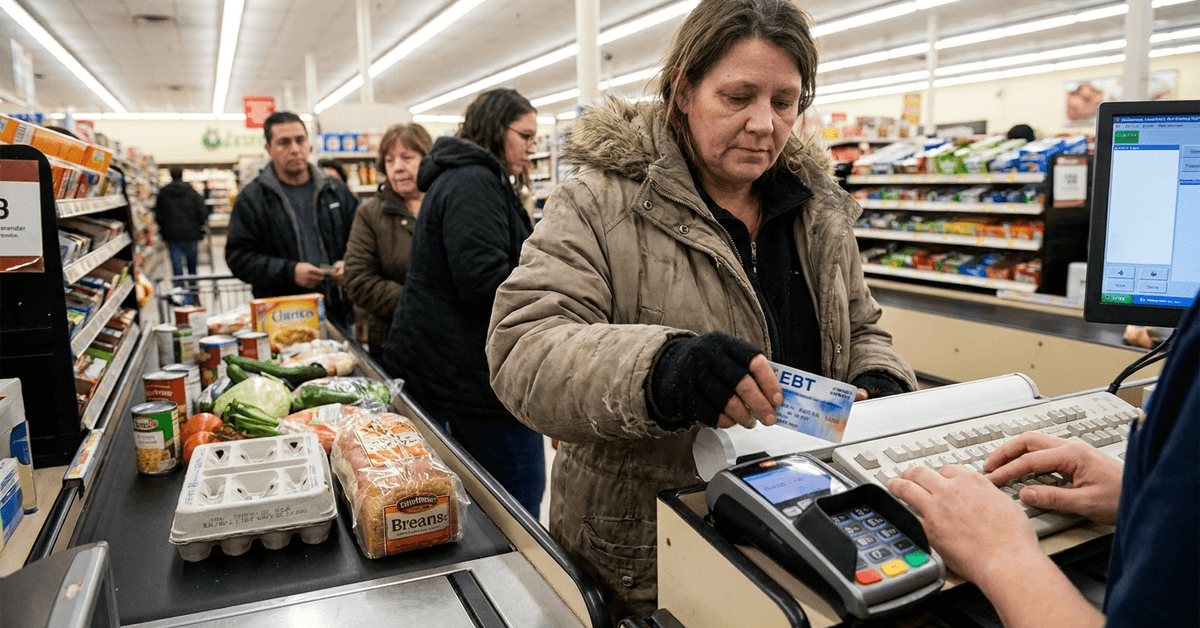
Approved participants get an EBT card, which functions like a debit card in grocery checkout lines. Managing the card, remembering to recertify (usually every 6 or 12 months), and understanding which foods are covered versus those not eligible (like hot foods or household supplies) are important next steps.
When budgets are tight, some people even find themselves budgeting grocery trips more carefully after approval.
Using SNAP Responsibly
SNAP is a valuable tool for supplementing food budgets, not necessarily covering every grocery need. Planning meals in advance, combining benefits with local food pantries’ offerings, and making use of store promotions can help households make the most of their assistance.
Final Thoughts on SNAP Applications
SNAP can help eligible households manage grocery costs during difficult financial periods. The application process becomes easier when you understand the rules, prepare documents, and respond quickly to state requests.
Since requirements and timelines can vary by state, checking official SNAP resources is always important. With careful follow-up and responsible use, SNAP can provide meaningful support for monthly food needs.