These days, having a phone is almost as necessary as having a place to live or food to eat. For millions of Americans, affording a phone can feel out of reach, especially for families relying on food assistance.
If you've ever wondered whether getting a free phone is possible with the help of government programs like food stamps, this article may offer some clarity.


Whether you're on SNAP benefits yourself or just seeking accurate information, understanding how the process works can help keep you–and your loved ones–connected without added stress.
What Is the Free Phone With Food Stamps Program?
You might hear people mention free government phones or "Obama phones." In truth, the official name for the program is Lifeline Assistance.
It's a federal benefit that helps eligible low-income individuals, including many food stamps recipients, gain access to essential phone services.
Getting approved doesn’t require anything extra–usually, simply qualifying for food stamps (now called SNAP) is enough to meet the eligibility criteria. There’s nothing promotional about it; the goal remains basic accessibility, not product selling.
Why Is the Lifeline Program Important?
Staying connected isn’t just about texting friends or browsing memes. Many jobs, health appointments, and emergencies require a working phone.
For households facing financial hardships, the Lifeline program can feel like a small relief in a tough environment.
I’ve heard stories from folks who relied on their free phone to call about a job interview or arrange transportation to a doctor. Maybe that sounds a bit dramatic, but it feels realistic, doesn’t it?
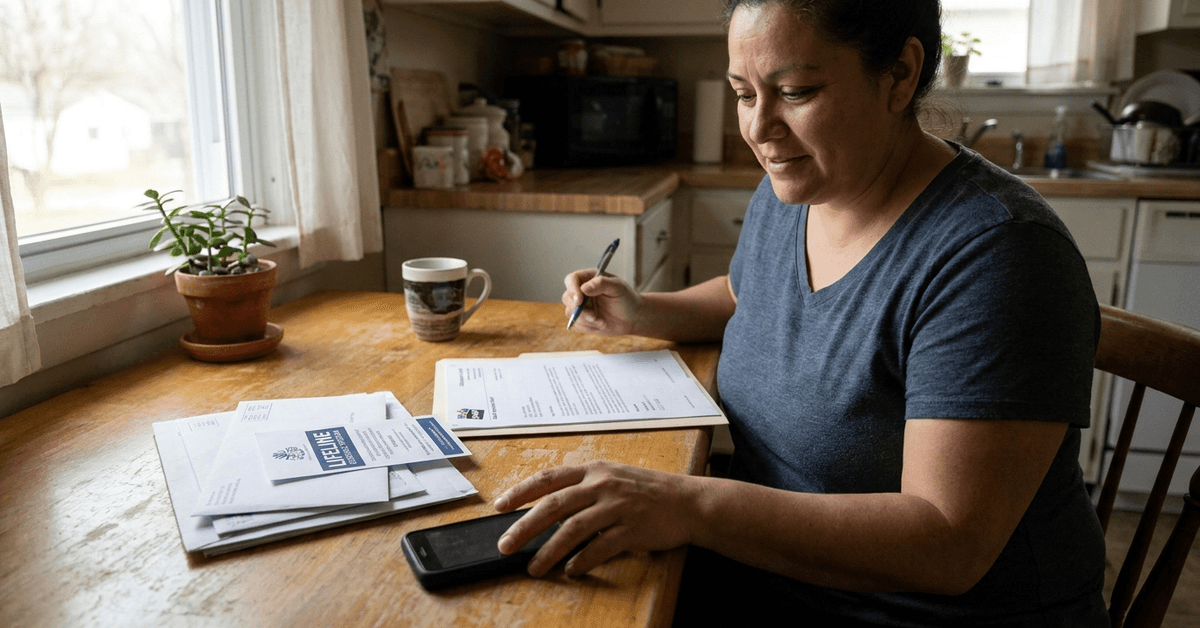
Who Qualifies for a Free Government Phone?
Qualifying isn’t complicated. If you currently receive Supplemental Nutrition Assistance Program (SNAP) benefits—still widely referred to as "food stamps"—you’re likely eligible. The program also considers other assistance programs, such as:
- Medicaid
- Federal Public Housing Assistance
- Supplemental Security Income (SSI)
- Veterans Pension or Survivors Pension
- Tribal Assistance programs, if you live on qualifying lands
Still, it’s most common to use a SNAP approval letter as your main eligibility proof, since food assistance covers so many individuals and families.
How Does the Application Process Work?
The steps aren’t complicated, but sometimes small details can feel overwhelming. Usually, you’ll first pick a provider that participates in the Lifeline program in your area.
These companies often operate nationally but may have unique offers by state. Examples include Assurance Wireless and Safelink Wireless, though there are others.
Step 1: Find a Lifeline Phone Provider
Start with providers that serve your zip code. Most have easy eligibility quizzes or lookup tools on their websites, but sometimes communication can be inconsistent. If you're not sure, a quick search using your state and "Lifeline provider" is likely to work.
Step 2: Gather Your Documents
Don’t let paperwork slow you down. Typically, you’ll need:
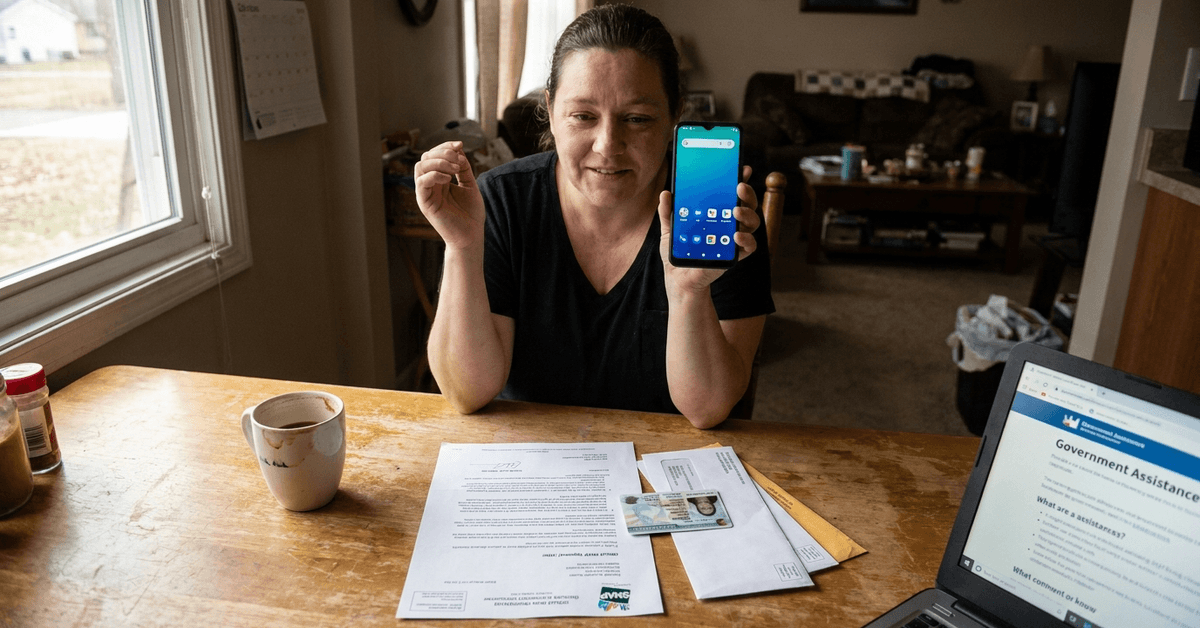
- A copy of your official SNAP benefits letter
- Government-issued identification (driver's license or similar)
- Proof of residence, like a utility bill
If you recently moved or don’t have all documents, some providers may help you figure out alternatives.
Step 3: Apply Online, By Mail, or In-Person
Application options may vary by provider. Many people say the online method is fastest, but for those with limited digital access, mail or in-person help can work too. Providers will let you know which methods are available in your area.
Step 4: Wait for Approval
After applying, the waiting game starts. Sometimes approval takes only a few days, but verifying everything can occasionally stretch to a few weeks.
It's rarely a perfect system, and application glitches or lost mail do occur. Still, many find the outcome worth the wait.
Which Free Phones and Plans Are Offered?
The style and brand of phones offered—honestly, they aren’t always top-of-the-line. Most providers distribute entry-level Android smartphones, or sometimes a basic cell phone for calls and texts. The specifics depend both on your chosen provider and region.
Monthly Plan Details
Usually, the plan includes:
- Limited or unlimited nationwide calling
- Text messages (often unlimited)
- Data allotment (for browsing or using apps)
The amount of data can vary–some plans offer as little as 1–3 GB per month, while others have more generous allowances. For light daily use, it generally meets basic needs.
How to Maximize the Benefit?
It’s not always clear where to turn if you need to replace your phone or want to understand better plan options. Personally, I’ve noticed that customer service varies by provider, so documenting communication can sometimes save headaches.
Staying Eligible Annually
Every year, most Lifeline providers require a simple renewal or re-verification. Missing this, even by accident, can result in termination of the service.
Providers usually send reminders by text or mail, but keeping your info up-to-date ensures no interruptions. It’s easy to forget, so perhaps setting a calendar event for renewal could help.
Upgrading or Switching Providers
Lifeline users can often switch providers if service is poor or a different company offers better coverage.
Some people worry this might risk losing their benefit altogether, but by starting a new application before canceling the old one, disruptions are rarely an issue. If unsure, researching how transfer rules apply in your area might ease concerns.
Frequently Asked Questions about Lifeline Free Phones
Is There a Cost at All?
The core Lifeline benefit is genuinely free—no monthly bills or surprise fees for the basic plan. Upgraded phones or additional features, if chosen, do often cost extra. Reading the fine print or directly asking a representative can prevent unexpected charges.
Does This Affect My Food Stamps?
Enrolling in Lifeline doesn’t reduce your food assistance amount or threaten SNAP eligibility. The two programs operate independently; getting a free phone only boosts your communications options, not your grocery budget.
Can I Get More Than One Phone?
Right now, the program strictly limits each household to one Lifeline offer at a time, no matter how many people share your address. Applying twice or under different names can result in disqualification.
Tips for Getting a Free Phone With Food Stamps
- Use the official Lifeline website to check eligibility.
- Prepare your SNAP approval letter before applying.
- Choose a provider with strong coverage in your zip code.
- Read the plan details for data, calls, and texts.
- Complete your yearly reverification to avoid losing service.
Final Thoughts on Free Phones With Food Stamps
Getting a free phone with food stamps can make everyday communication easier for eligible households. The Lifeline program helps reduce phone costs while keeping people connected to jobs, family, healthcare, and emergency services.
Since providers, phone models, and monthly plans can vary, comparing options before applying is a smart step. With the right documents and timely renewal, this benefit can offer steady support without adding pressure to your budget.