
Benefit interruptions can come as a surprise. For anyone depending on SNAP benefits, having those funds put on hold may be both confusing and worrying.
Sometimes, it might seem sudden—other times, there are warning signs. Either way, knowing what leads to a SNAP suspension and what to do next, can make a world of difference.



This guide is for individuals and families navigating the U.S. food assistance system. If you’ve already noticed your balance is missing, or are concerned it could happen in the future, the following information is especially relevant.
Understanding the system offers not only reassurance, but the chance to act before things escalate.
Why SNAP Benefits Get Suspended?
The reasons behind a SNAP suspension are rarely explained in detail upfront. Most people just get a notice or see the benefits disappear from their account. But several underlying factors commonly lead to interruptions.
Application and Eligibility Errors
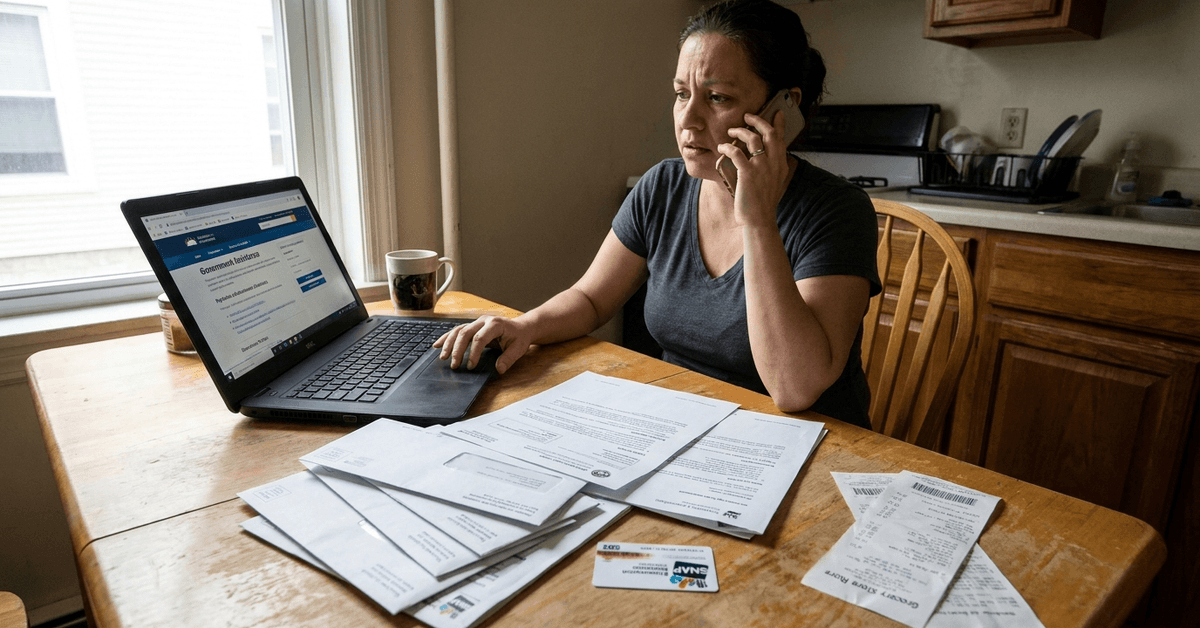
One of the main causes for a suspension is making errors on your SNAP renewal or application. Missing information, typos, or failing to respond to verification requests can trigger a pause in funds.
Occasionally, forms might not reach the right person either; simple paperwork mistakes do happen more often than expected.
Missing the Recertification Deadline
Every few months, recipients are asked to recertify their eligibility. If this date slips by—sometimes the letter never even arrives—benefits can be put on hold automatically.
It may feel unfair, but the process is rigid; the system is built on strict timelines, not flexibility.
Changes in Household Circumstances
Moving to a new address, adjusting your income, or welcoming another household member can all alter your eligibility.
If these changes aren’t reported promptly, or if verifications are pending, suspensions may result. Sometimes, it’s due to slow processing rather than any mistake on your part.
Suspected Fraud or Compliance Issues
Even a small discrepancy might raise a red flag with your local agency. Unusual activity, such as large purchases or inconsistent records, can trigger an investigation.
During review periods, benefits are often temporarily suspended until the situation is clarified. These cases can take a while to resolve, so ongoing communication helps.
Technical Glitches and System Errors
Believe it or not, sometimes EBT system updates or technical outages cause benefits to vanish—for a few hours or even days.
Some recipients have reported being wrongly flagged due to software misreading their circumstances. It’s not common, but the possibility exists and is rarely discussed outright by officials.
How to Check If Your SNAP Benefits Are Suspended?
First, it’s useful to confirm if your account is suspended or if there’s simply a delay or technical issue.
- EBT Card Balance: Check your account online or by phone to see if funds are available or marked as unavailable.
- Official Notices: Paper letters, emails, or in-app notifications usually clarify your current status, though language can be confusing.
- Customer Support Line: Calling your state SNAP hotline may provide a more specific explanation. Waiting times vary, especially after major update periods.
For step-by-step guides tailored to your state, consider searching official state websites or reputable nonprofit resources such as Feeding America or the USDA SNAP portal.
What to Do If Your SNAP Benefits Are Suspended
Once you know your benefits are on hold, the next steps depend on the reason for the interruption. Sometimes, a simple action restarts your access more quickly than expected. Occasionally, it’s a drawn-out process. Patience, though, tends to pay off.
Review All Notices Carefully
Letters from the agency often indicate what’s missing or what needs fixing, though the technical language is not always friendly. Looking for bolded due dates or bullet point lists in the letter helps clarify what to focus on first.
Gather Relevant Documents
Keep copies of pay stubs, utility bills, lease agreements, or anything tied to changes in your circumstances.
Having a small folder—either virtual or physical—makes it easier if the office asks for rapid proof. I’ve known some who keep a smartphone album of critical documents just in case.
Contact Your Local SNAP Office Quickly
If the issue isn’t obvious, calling or visiting your local office tends to move the process along. Many agencies now allow upload of documents or application updates online.
If things feel confusing, nonprofit legal aid groups like Legal Aid Society can sometimes shed light on your situation.
Appeal If You Believe the Suspension Is Unfair
Appealing decisions is possible in most cases. The process varies by state; some require written requests, while others offer phone or online appeal systems.
If you’re unsure, a quick look at your state’s government website or a local advocacy group often provides a clear outline of the appeal process.
Request Expedited Review for Emergency Circumstances
If you’re at risk of being without food, mention any urgent needs when you call or visit. Some states offer emergency SNAP access—sometimes called “expedited” or “emergency allotment”—for particularly vulnerable households.
How to Prevent Future Suspensions
Worrying about losing vital assistance is stressful. While not every cause is predictable, developing a routine around SNAP management can give you a bit more peace of mind.
Stay Organized With Renewal and Reporting
Setting calendar alerts for recertification dates works for many. Others keep a checklist of documents most often needed. Sometimes, even pinning the last SNAP letter on your fridge can serve as a reminder.
Report Changes Promptly
Whenever your income or household circumstances shift—even slightly—updating your SNAP profile reduces the risk of unexpected flags. If you’re unsure whether a change matters, it’s often better to over-disclose than under-report, just in case.
Leverage Local and Online Resources
Organizations such as the National Council on Aging or local food banks keep up-to-date guides on navigating SNAP hurdles. Many states offer text or email alerts for key reminders, which, frankly, is a handy feature more people could use.
Avoid Scams and Phishing Attempts
Never give personal information to callers or websites that feel suspicious. Real agencies never ask for full card numbers or PINs unsolicited. If something feels off, direct contact with the official state portal is the safest bet.
The Broader Impact of SNAP Suspensions
Sometimes, there’s a tendency to treat benefit suspensions as purely personal setbacks. In reality, entire communities feel the ripples.
Grocery stores and neighborhood centers often notice reduced activity if multiple households face interruptions. This, in turn, can lead to advocacy efforts to streamline processes or expand support services locally.
Additionally, conversations with neighbors, community resource staff, or local family services can reveal helpful shortcuts not listed online.
Each state—and even county—has its own rhythm, and small local differences add up. What works well in one place might not fit in another.
Tips to Prevent SNAP Benefits Suspension
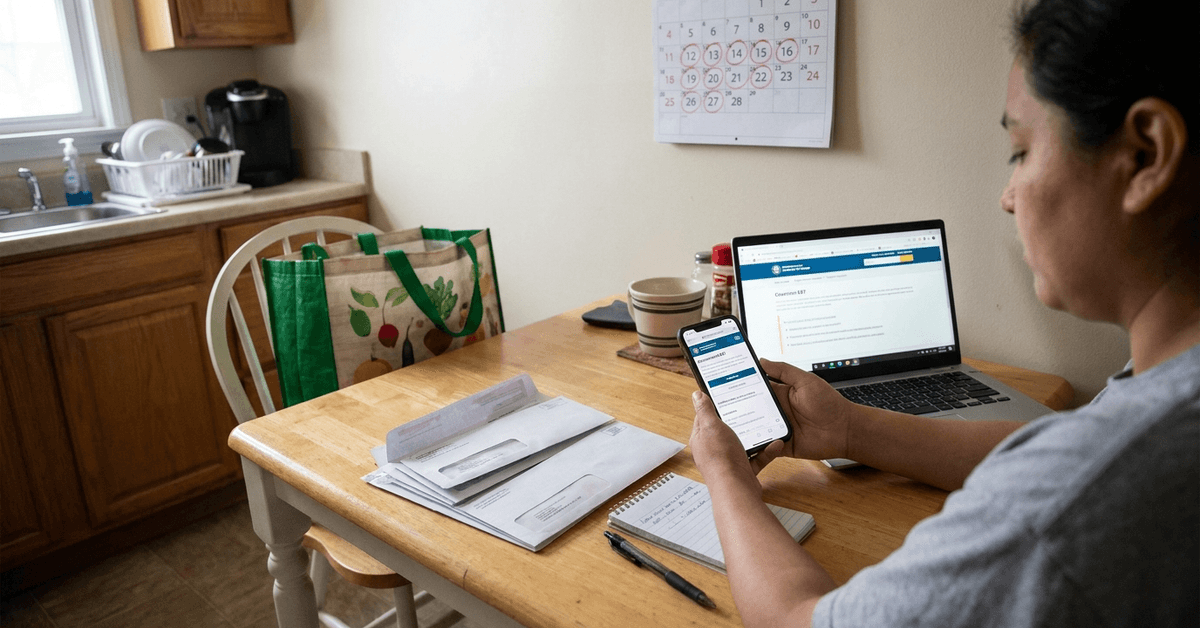
- Track your recertification dates with calendar reminders.
- Report changes in income, address, or household size quickly.
- Keep copies of all SNAP forms and documents.
- Check your EBT balance and official notices regularly.
- Contact your local SNAP office if a problem appears.
Final Thoughts on SNAP Benefits Suspension
A SNAP benefits suspension can be stressful, but many issues can be resolved when you act quickly. The key is to review notices carefully, gather the right documents, and contact your local SNAP office as soon as possible.
Staying organized with deadlines, reporting changes, and keeping your contact information updated can help prevent future interruptions.
With steady follow-up and support from local resources, recipients can better protect their food assistance benefits.